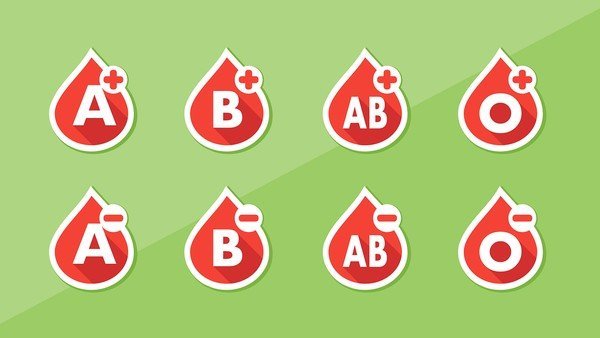
Be a Lifesaver: Come to RMA’s Blood Donor Clinic
Did you know that a single blood donation can save up to three lives? Right now, hospitals and clinics need your help to ensure there’s enough supply for emergencies, surgeries, and critical treatments. By donating blood, you’re giving someone the gift of life—a gift only you can provide.
Come to the RMA Board Meeting – Let’s Build Together!
Join us for our monthly Rocky Mountain Atheists board meeting. We gather monthly to discuss how we can continue growing our community. Everyone is welcome to attend and share ideas—let's build RMA together!

From Lab to Real-World Wire
Finally a turning point for carbon nanotube fibres, offering strength, lightness, and scalable production with real-world potential across aerospace, electronics, and grid upgrades.
Let’s have a Coffee Chat
☕️✨ Coffee Chat Time! Join the RMA for a cozy and fun-filled coffee chat online! Whether you’re a regular or it’s your first time, we’d love to see you there. Come share your thoughts, swap stories, or just enjoy some good company over a warm cup of coffee. It’s the perfect way to unwind and connect!
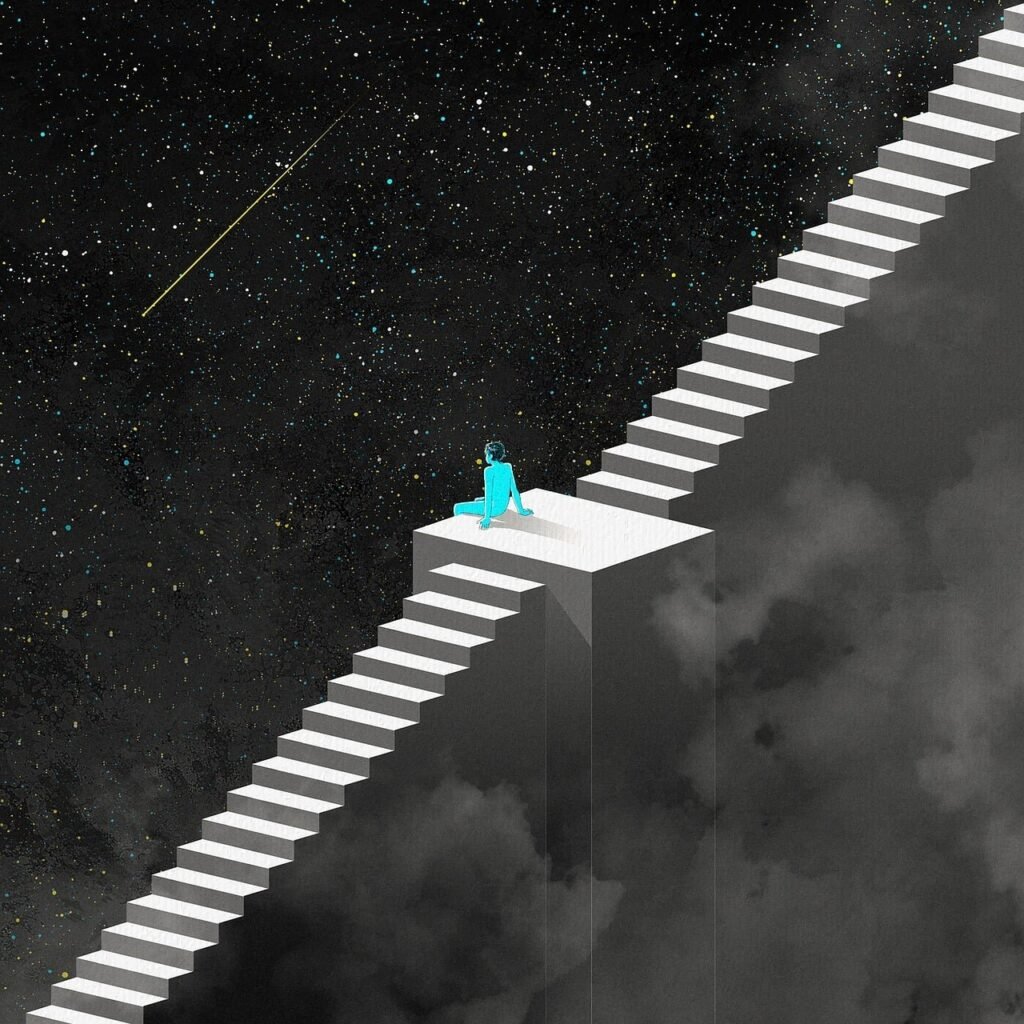
The Science of Making Sense of Science
A single study can make headlines, but it rarely tells the whole story. Discover how systematic reviews and meta-analyses bring research together to reveal what the evidence actually says—and why that work can save lives.
WeCanReason Speakers’ Weekly Update
Catch up with what our speakers did last week#SethAndrews #psychicsofinstagram #psychics
Drink, Chat, Learn: come with us to the Skeptics in the Pub
Join us for a fun and lively night at Skeptics in the Pub with the RMA!
It’s the perfect chance to meet like-minded people, share ideas, and enjoy a casual evening of skepticism and conversation.
This month's topic is Haunted Houses and Terrifying Tales.
See you there! 🍻
See what leaders in science, secularism, critical thinking, and skepticism did last week
Here's a little of what secularists, skeptics, atheists, and scientists did last week
#humanist
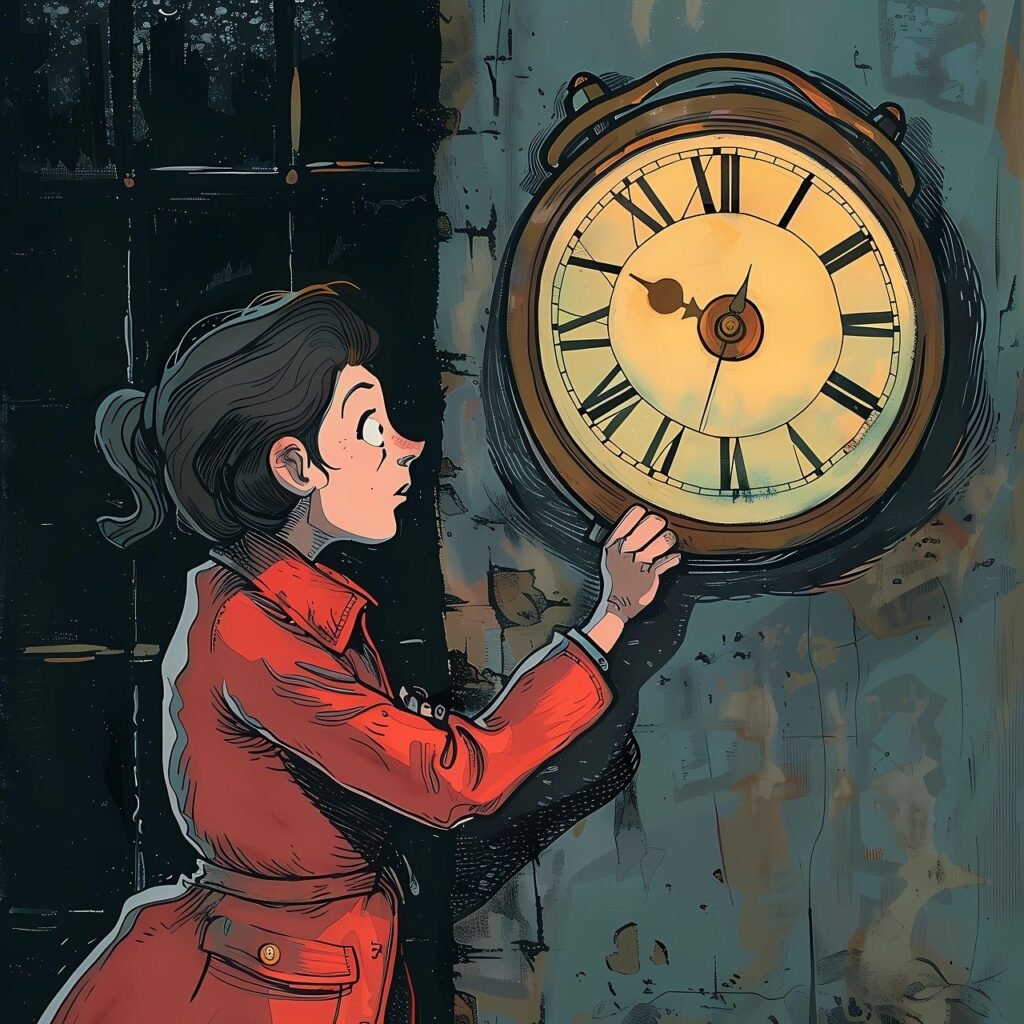
Clock Changes and Health: The Safer Path
Canadian researchers argue permanent standard time better protects health than permanent daylight saving, citing circadian disruption and mixed effects on sleep and learning.
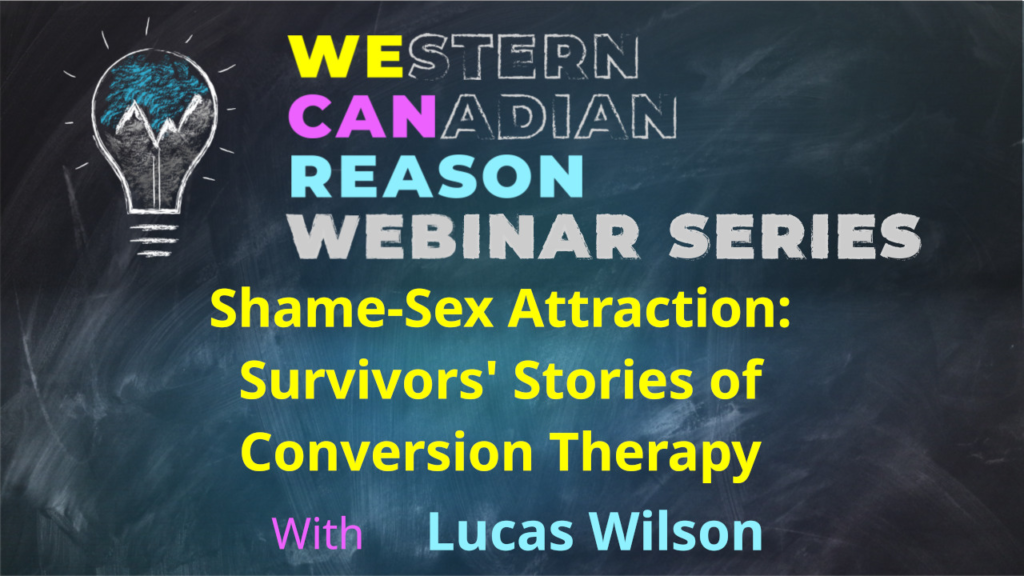
WeCanReason Webinar – Shame-Sex Attraction: Survivors’ Stories of Conversion Therapy with Lucas Wilson
Conversion therapy constitutes the damaging efforts to change queer individuals' sexual orientations and/or gender identities and expressions. Wilson will discuss the prevalence of conversion practices in North America and why the number of reported cases is likely inaccurate.
Recent Posts
- WeCanReason Webinar – Shame-Sex Attraction: Survivors’ Stories of Conversion Therapy with Lucas Wilson

- Integrative Oncology: Evidence vs. Hype
- Balancing AI risks and benefits
- Ebola: rising cases require health response urgency
- WeCanReason Speakers’ Weekly Update
- The Great Time Adjustment: End of Leap Seconds on the Horizon
- See what leaders in science, secularism, critical thinking, and skepticism did last week
- Navigating Truth Online: Join Media Literacy Week



Social Media Auto Publish Powered By : XYZScripts.com