
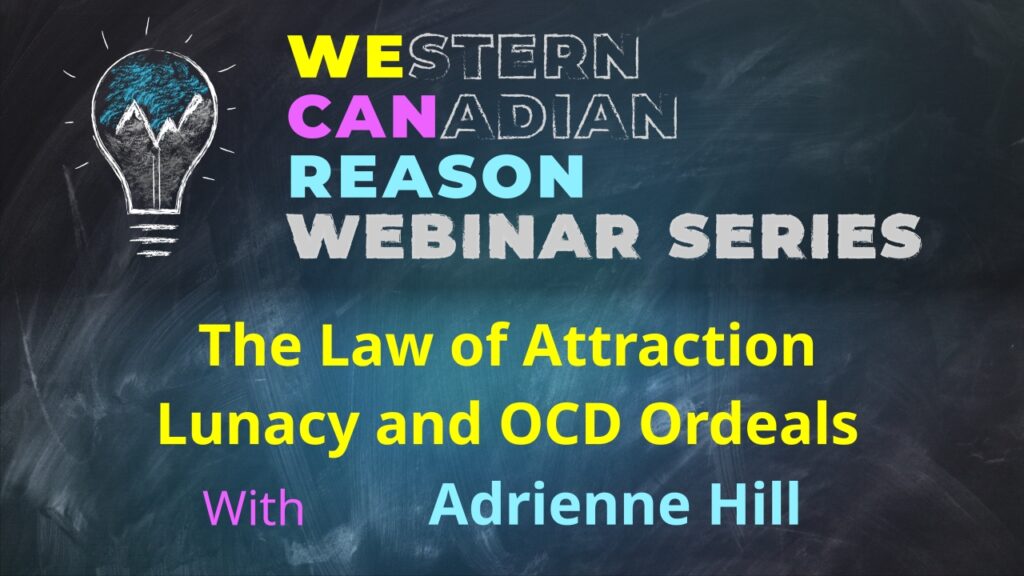
WeCanReason Webinar – The Law of Attraction Lunacy and OCD Ordeals video released
In this presentation, Adrienne clears up some myths about the Law of Attraction and OCD. How is it possible for these two topics to be linked? Watch the talk to find out how the power of positive thinking does not go well with anxiety disorders such as OCD.

Marketing vs. Nutrition; Superfoods Myth Explained
Forget the superfood hype! Discover the truth about them and learn how to achieve better health through a balanced diet focused on variety.

Battle Misinformation: The Social Media Challenge
In the battle against misinformation, understanding social media’s role is crucial. Ignoring its impact is like denying the existence of germs in health.

Finding Support Beyond Faith: Join Life Without Religion
Are you struggling with the challenges of leaving a religion or dealing with conflicts stemming from religious influences in your life? Life Without Religion is a peer support group created specifically for individuals like you. We understand how isolating this journey can feel, and we’re here to offer a safe, understanding space where you can connect with others who share similar experiences.

Master Your Money Skills Today
Discover how Financial Literacy 10 prepares students to manage their money wisely and navigate the complexities of personal finance.

WeCanReason Speakers’ Weekly Update
Catch up with what our speakers did last week

The Hidden Costs of Endless Scrolling
A large review finds that frequent use of short-form video platforms like TikTok and Instagram Reels is linked to lower attention and higher stress, raising questions about how endless scrolling affects mental focus and well-being.

See what leaders in science, secularism, critical thinking, and skepticism did last week
Here's a little of what secularists, skeptics, atheists, and scientists did last week

New Tech Could Restore Sight
A new bionic implant may help restore vision for patients with previously irreversible conditions, bringing fresh hope for those facing blindness
Come to the RMA Board Meeting – Let’s Build Together!
Join us for our monthly Rocky Mountain Atheists board meeting. We gather monthly to discuss how we can continue growing our community. Everyone is welcome to attend and share ideas—let's build RMA together!
Recent Posts
- Eggshell Armor for Space

- Eggshell Armor for Space
- Eggshell Armor for Space
- See what leaders in science, secularism, critical thinking, and skepticism did last week
- Dragonfly: Ahmakiq Undae Named for Titan
- Biofield Scans: Pseudoscience in Modern Medicine
- Ending Leap Seconds: Could Time Go Negative?
- WeCanReason Speakers’ Weekly Update





Social Media Auto Publish Powered By : XYZScripts.com