BC Humanists Push for Fair Property Tax Rules
The BC Humanist Association is pushing cities to review property tax exemptions for religious and private organizations. Read the latest CTV coverage and take action to make sure public funds serve the public good.

Pseudoscience in Medical Journals
The recent publication in a respected journal raises serious concerns about the endorsement of homeopathy in rheumatological treatments. Explore the implications of this troubling review.
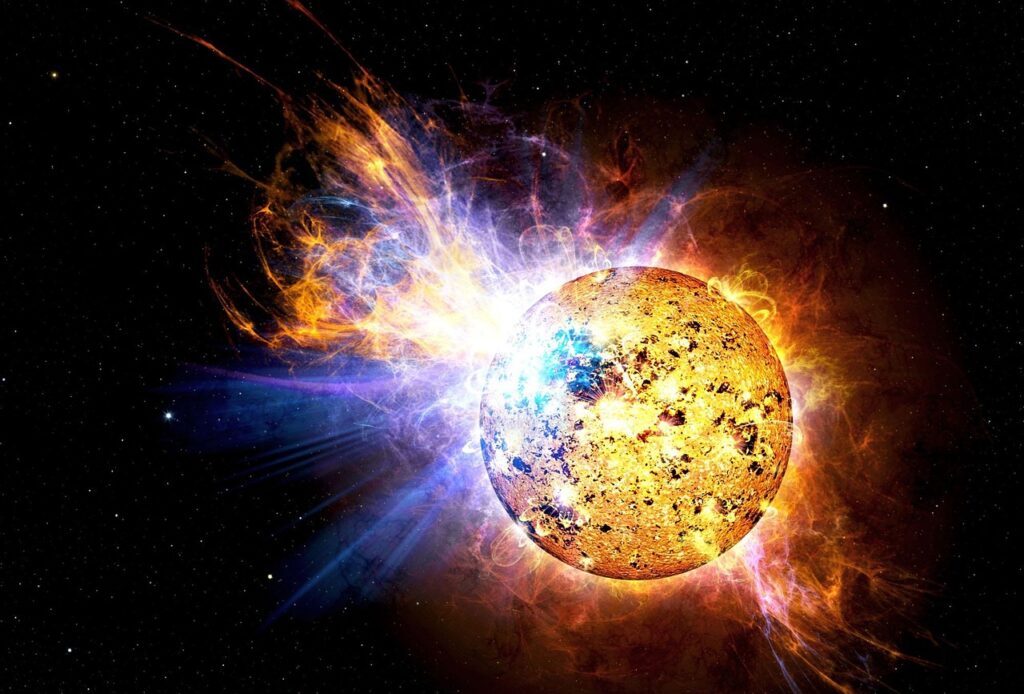
Astronomers Capture Solar Ejection Beyond Our Sun
Astronomers have observed a Coronal Mass Ejection from a red dwarf star, shedding light on stellar behaviour and its potential effects on nearby planets.

Canada Needs Fair Charity Laws
Canada’s charity laws give automatic tax breaks to religious groups, costing taxpayers billions. A new petition calls on the government to modernize the system and ensure only organizations that serve the whole community get charitable status.
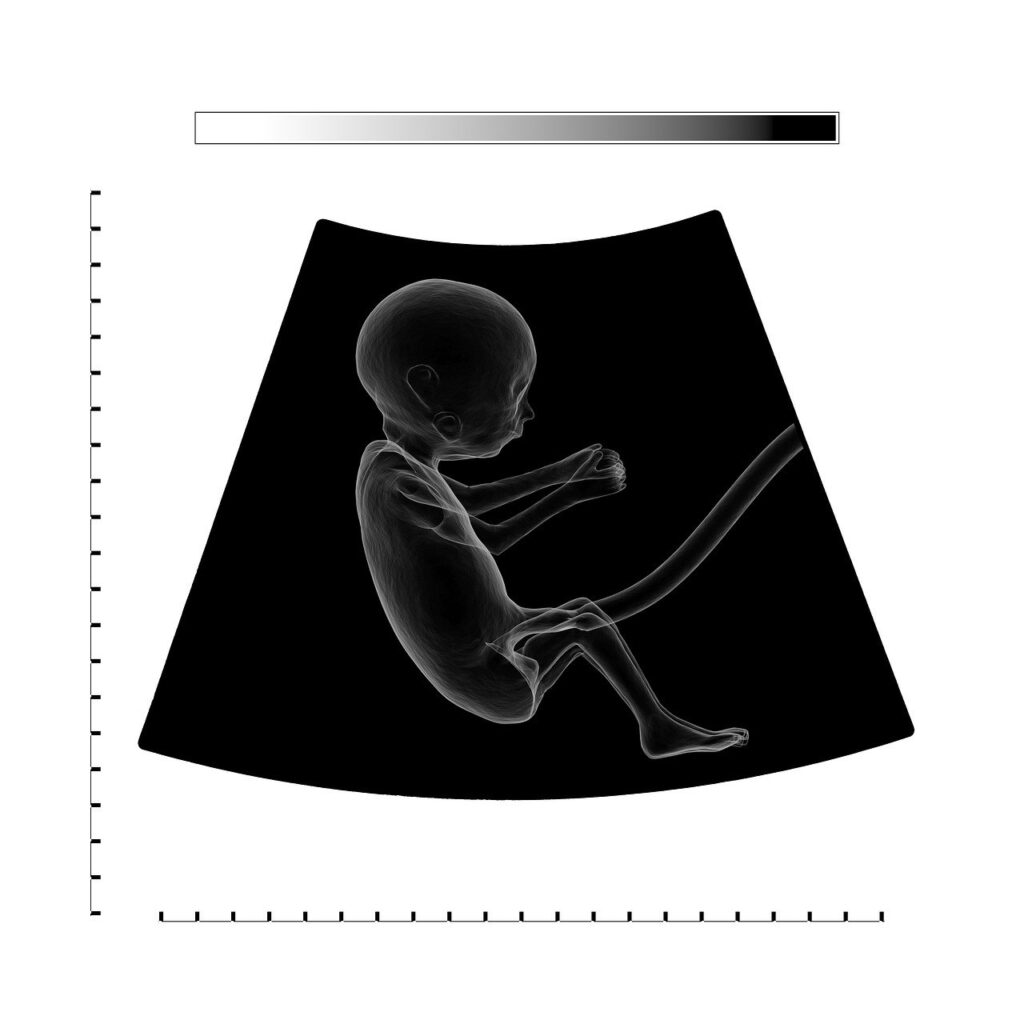
The Ethics of Designer Babies
The choice of deaf parents to select for a deaf child sparks a vital conversation about ethics and identity in the context of genetic selection.

Future of Testing: No More Animals
The UK Government is set to replace animal testing with AI and 3D printing, aiming to eliminate certain tests by 2026. This initiative could revolutionize research and promote ethical practices.

Should You Get a Cardiac Calcium Scan?
Learn how cardiac CT calcium scans can help assess your cardiovascular risk and why they’re worth considering for your heart health.
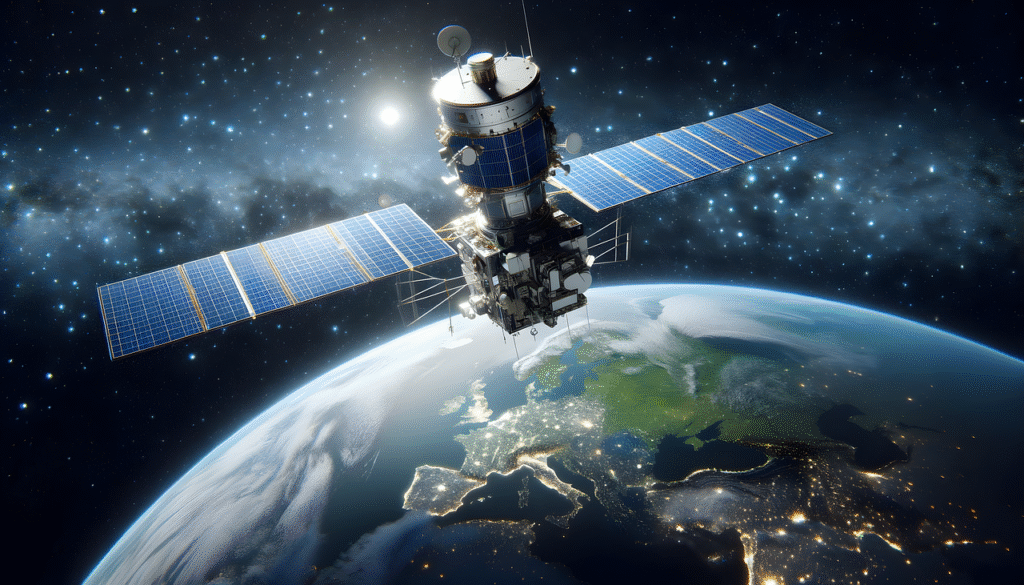
Launch of AI Datacenters in Space
Google is launching solar-powered satellites with AI capabilities into orbit, aiming to transform data processing and computing. This innovative project could reshape the future of technology.
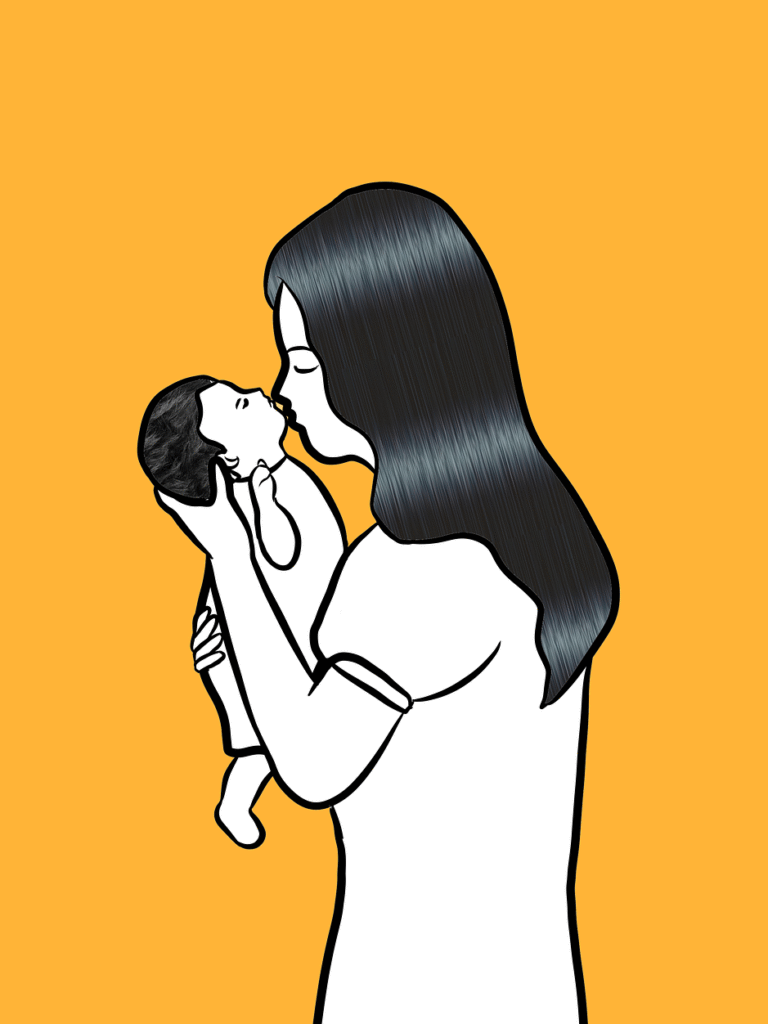
New Study Links COVID-19 to Autism
A new study shows COVID-19 during pregnancy may increase autism risk in children, stressing the importance of vaccination for expectant mothers.
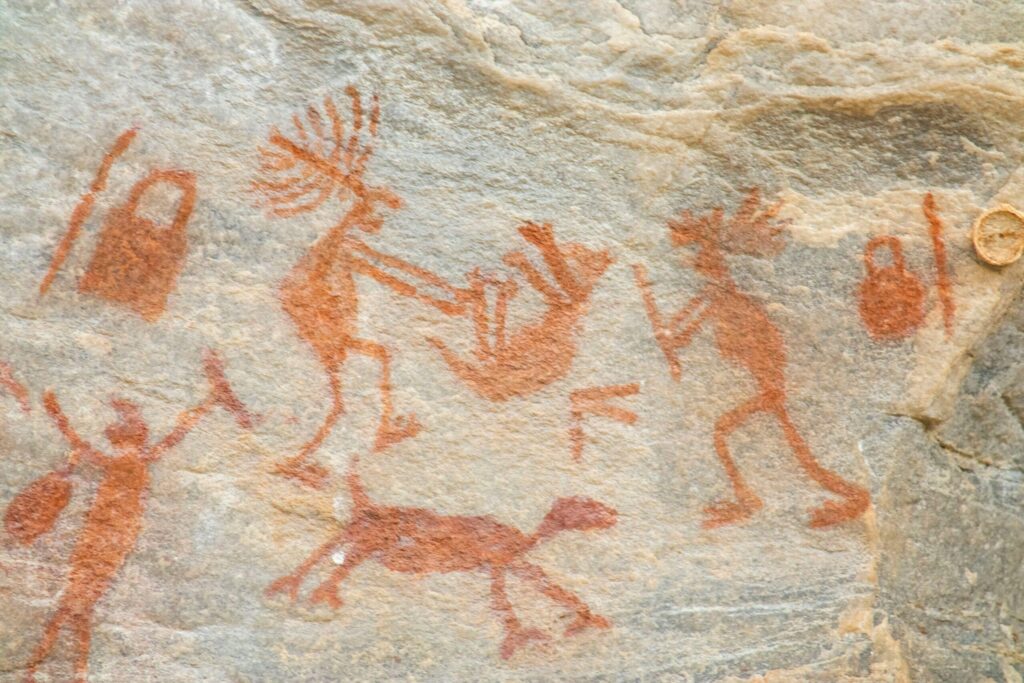
Early Humans and Their Innovations
Discover how our ancestors used tools earlier than we thought, revealing a complex story of adaptation and cultural evolution that reshapes our understanding of human history.
Recent Posts
- See what leaders in science, secularism, critical thinking, and skepticism did last week

- Human in the loop: why it matters
- AI agents that explain and reuse research
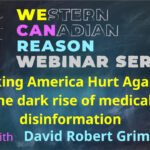
- WeCanReason Webinar – Making America Hurt Again? The dark rise of medical disinformation video released
- Science as a Human Enterprise
- Does Gaming Help or Hurt? Find Out
- What Happens When Science Tests Out-of-Body Experiences?
- WeCanReason Speakers’ Weekly Update





Social Media Auto Publish Powered By : XYZScripts.com