

Why “Natural” Immunity Misleads
Survivor immunity reframes how we think about immune protection, moving away from “natural” to experience-based understanding.
Human in the loop: why it matters
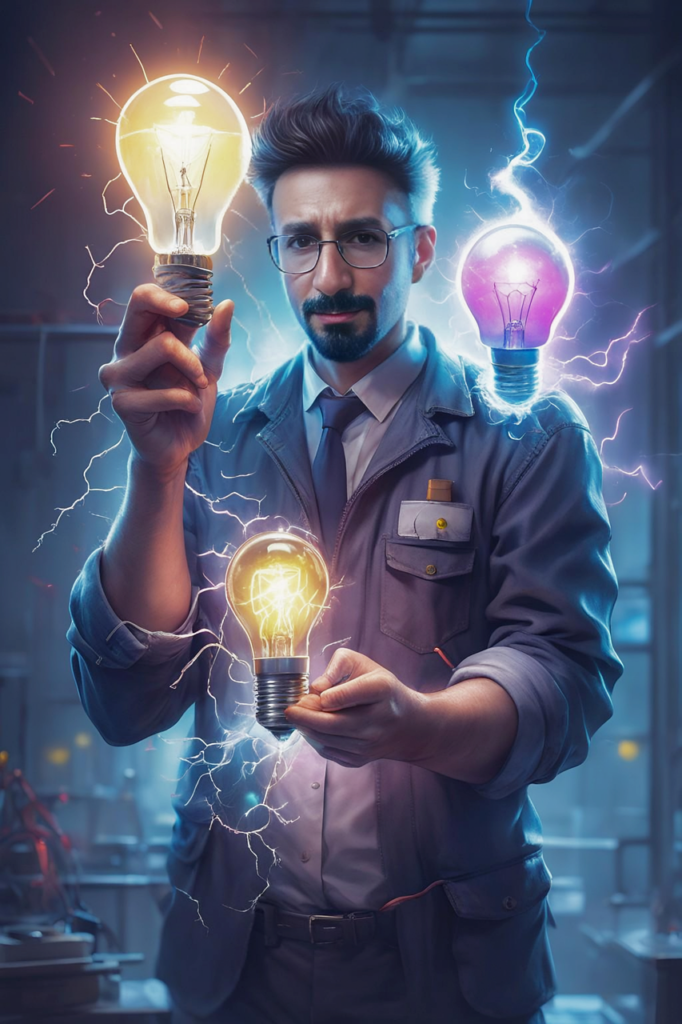
AI aids medical decisions but humans must interpret and supervise the guidance.

AI agents that explain and reuse research
Paper2Agent converts papers into AI agents that discuss findings, reproduce results, and collaborate to push new discoveries.

Science as a Human Enterprise
Science is a human, collaborative enterprise shaped by perspectives, yet anchored to a real world it strives to model.
Does Gaming Help or Hurt? Find Out
A practical look at how video games fit into a healthy lifestyle, with myths debunked and clear takeaways.

What Happens When Science Tests Out-of-Body Experiences?
Scientists tested whether people experiencing out-of-body experiences could perceive information they couldn't normally see. The main test failed, but two participants produced unexpected results.
Humanism in Canada: Challenges, Stories and Community
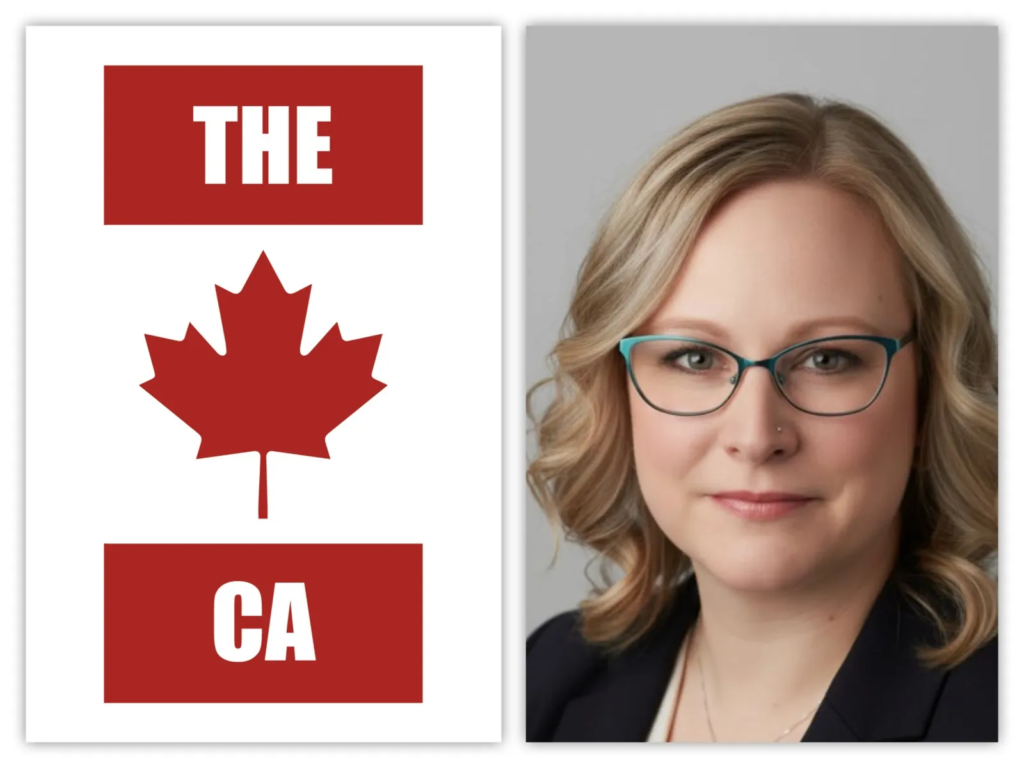
Janalee Morris of Humanist Canada and RMA joins The Canadian Atheist to talk about humanism, her own story, and the challenges and successes of the humanist movement in Canada. Find out how you can get involved and connect with others in your community.

Did Humans Use Drugs 25,000 Years Ago?
Ancient teeth from Indonesia may provide the earliest evidence yet of human drug use, revealing that people may have been using psychoactive betel nuts as far back as 25,000 years ago.

Solar Is Booming: Costs Fall, Storage Expands
Solar power is booming, with costs halving over two decades and batteries boosting reliability and adoption.

Mars Dirt Meets Gelatin
Proposal uses yeast-driven adhesive foam and gelatin to 3D print Martian structures with low energy.
Recent Posts
- The Science of Making Sense of Science

- WeCanReason Speakers’ Weekly Update
- See what leaders in science, secularism, critical thinking, and skepticism did last week
- Clock Changes and Health: The Safer Path
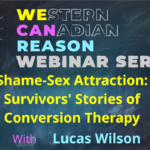
- WeCanReason Webinar – Shame-Sex Attraction: Survivors’ Stories of Conversion Therapy with Lucas Wilson
- Second-Generation Planet Near White Dwarf
- Navigating Truth Online: Join Media Literacy Week
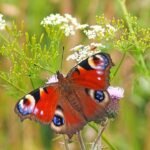
- Butterflies: Illusion as a Survival Strategy




Social Media Auto Publish Powered By : XYZScripts.com