
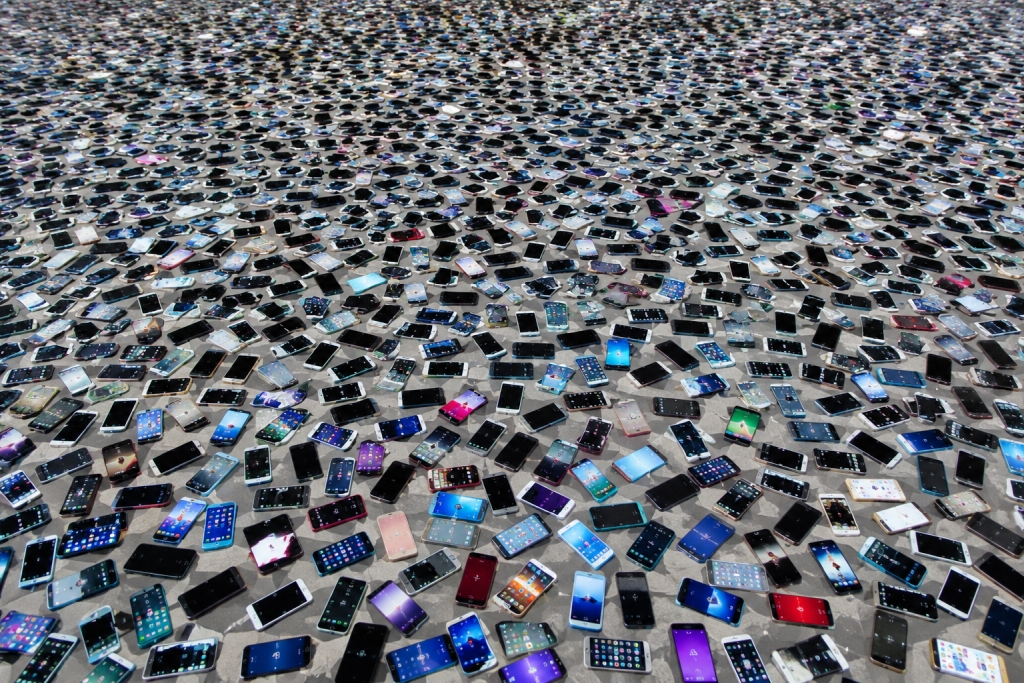
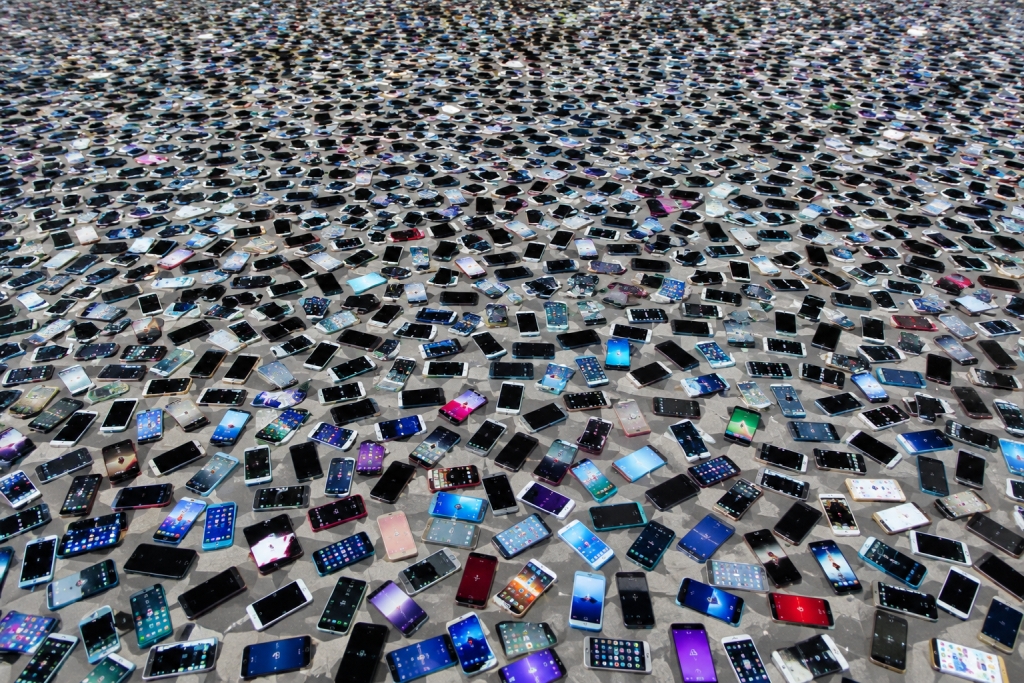
2,000 retired Google Pixel phones get a second life as a private cloud
By Tobias Mann
Researchers at the San Diego Supercomputing Center (UCSD), in collaboration with Google, are building a low-cost, low-carbon compute cluster from 2,000 retired Pixel Fold smartphones. After owners upgrade, these devices still hold usable computing power, and recycling is inefficient for most smartphones. The project, led by Jennifer Switzer and supported by Ryan Kastner, repurposes phone motherboards into a datacenter-style cluster. Early tests show single-thread speeds rival some datacenter chips, and 25–50 phones could match a conventional server. The plan involves flashing Linux, bypassing Android’s safety limits, and networking phones with power-supply PCBs and wired Ethernet rather than wireless links. Kubernetes will orchestrate workloads across 25–50 devices, targeting education workloads and exploration in parallel computing. The full cluster launches this fall, with potential growth depending on initial results and lessons learned. Expect Beowulf-like experimentation and possible sharing access with UCSD.