
Summer Myths: Four Popular Claims Put to the Test
Summer is full of traditions, vacations—and advice that gets repeated year after year. Some of it is true. Much of it isn’t. Here are four common summer myths and what the evidence actually says.
☀️ Does sunscreen prevent vitamin D?
Mostly no. Sunscreen can reduce the skin’s production of vitamin D under ideal laboratory conditions, but in real life people rarely apply it perfectly or often enough to block all UVB rays. Most studies have found little or no effect on vitamin D levels, and dermatologists continue to recommend sunscreen to reduce the risk of skin cancer. A recent Australian study did find that daily, high-SPF sunscreen users had somewhat lower vitamin D levels, suggesting that people at risk of deficiency may benefit from supplements rather than skipping sunscreen.
🦟 Are mosquitoes really attracted to certain blood types?
Possibly—but it’s only part of the story. Research suggests mosquitoes may bite people with Type O blood more often than those with Type A. However, blood type is a relatively small factor. Body odour, carbon dioxide, body temperature, pregnancy, alcohol consumption, and even the bacteria living on your skin play a much larger role in determining who becomes a mosquito magnet. The idea that blood type alone explains mosquito bites is an oversimplification.
🥗 Can you really “detox” after a weekend of unhealthy eating?
Not in the way detox products claim. Your body already has an effective detox system: your liver, kidneys, lungs, and digestive tract. There’s little scientific evidence that detox teas, juice cleanses, or supplements remove toxins or “reset” your body. After an indulgent weekend, the healthiest approach is surprisingly simple: return to normal eating habits, stay hydrated, get enough sleep, and be physically active. Your body is already doing the detoxing for you.
🦈 Are shark attacks becoming more common?
Not really. While shark attacks receive enormous media attention, they remain extremely rare. The number of recorded incidents varies from year to year, but there is no clear long-term explosion in attacks. Increases in beach tourism, water sports, and better reporting explain many fluctuations. Your chances of being injured by a shark are still extraordinarily low—far lower than risks such as drowning, lightning, or traffic accidents on the way to the beach.
The lesson behind all these myths is the same: popular beliefs often contain a grain of truth, but reality is usually more complicated. Summer is a great time to enjoy the outdoors—and an even better time to pack a little skepticism alongside the sunscreen.
As summer continues, we hope you’ll take some time to explore new ideas, connect with fellow skeptics, and discover something that challenges or inspires you.
Sources
- British Journal of Dermatology. The effect of sunscreen on vitamin D: a review.
- British Journal of Dermatology. Effect of daily sunscreen application on vitamin D (Sun-D Trial).
- Cleveland Clinic. How to Safely Get Vitamin D From the Sun.
- Florida Museum of Natural History. International Shark Attack File Annual Worldwide Shark Attack Summary
Written with the help of ChatGPT
Coffee Chat Online

Monday, August 10
Second Monday of every month at 1:00 pm MDT
Our Coffee Chat is an enjoyable, unstructured afternoon conversation. Anyone can introduce an idea or ask a question, and the group will jump in and discuss it. You never know where the conversation will go, but it is always interesting and sometimes even educational. Join us and add your two cents’ worth.
Go to our Meetup page to register and get the Zoom link.
Thriving Without Religion:
A Public Gathering

Monday, August 10
Second Monday of every month at 7:00 pm MST
We are proud to present Thriving Without Religion, an in-person gathering designed to help you navigate life after faith and build a meaningful, joyful existence rooted in reason and community.
Congress Coffee Company, 215 36 Ave NE, 1A · Calgary, AB
Please note – we will not be screening attendees, so use caution if you are not “out” as a non-believer.
You can register on our Meetup Page to get updates.
Book Club

Thursday, August 13
Second Thursday of every month at 7:00 pm MST
This month, the Book Club will be discussing the book The Death of Expertise: The Campaign against Established Knowledge and Why it Matters by Tom Nichols.
Head over to our Meetup page to register and get the Zoom link.
Potluck Picnic in the Park – $5

Friday, August 14
Doug has kindly organized a potluck picnic at Bowness Park.
This is a family-friendly event, so bring your kids, your dogs, and your guitars. Bring your own food and cutlery.
Feel free to come any time between 3:15 pm and 9:15 pm.
We’re charging a $5 fee to help recoup the cost of the site rental. We cannot issue a refund for the site, even if the weather is poor. So rain or shine! We will be there.
Go to our Meetup page to register and get more details.
Skeptics in the Pub

Friday, August 21
Third Friday of the month at 7:00 pm MST
Come to the pub, meet like-minded people and have thought-provoking discussions, along with a drink and some food.
This month’s topic is Psychics and Magic Tricks.
Limericks Traditional Public House, 7304 Macleod Trail SE · Calgary, AB
Look for the RMA banner or ask the host where we are sitting!
You can register on our Meetup Page to get updates.
WeCanReason Webinar
Wednesday, August 26
Fourth Wednesday of every month at 7:00 pm MST
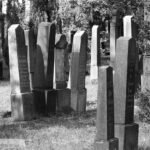
From Church Graveyards to Country Clubs: Changing Preferences for End of Life Rituals with Chris Miller
For centuries, religion has shaped the way by which people approach death. In addition to shaping beliefs around what happens after we die, religions traditionally describe what rituals we might carry out just before and just after death. With growing numbers of people no longer affiliating with religion, how does this change the rituals people carry out to make sense of death? This presentation reflects on the changing ritual landscape over the last century, and explores emerging preferences for memorializing life in ways that are more personalized and meaningful.
Head over to our Meetup Page to register and get the Zoom link.
Monthly Board Meeting

Thursday, August 27
Fourth Thursday of the month at 5:30 pm MST
The Board of RMA meets on the 4th Thursday of each month. Meetings are open to all, but only Board members can vote.
Check out our Meetup page for the link and other details.
All details of our events can be found on our Meetup Page at https://www.meetup.com/rockymountainatheists/events/.