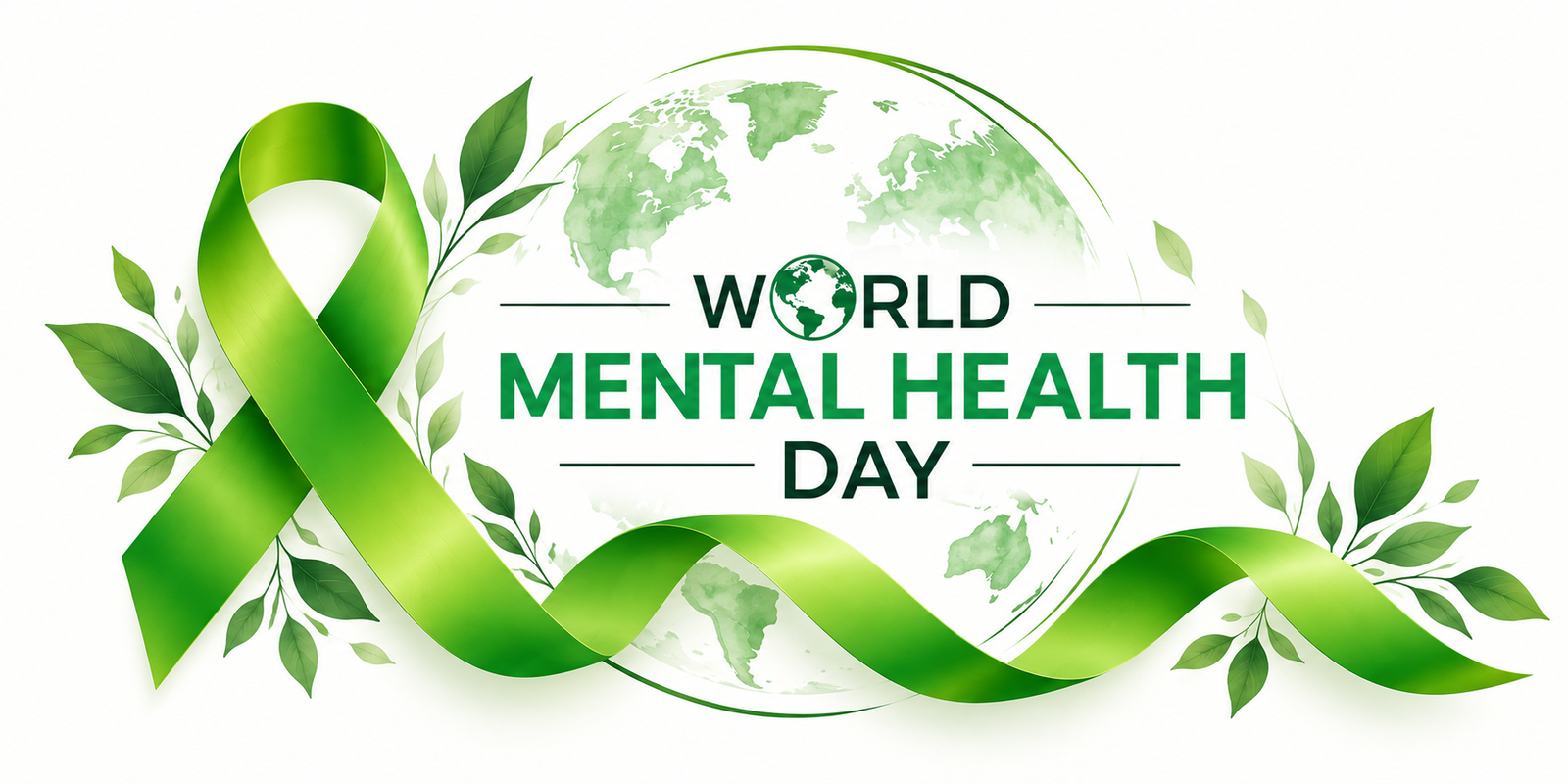
Mental Health, Dignity & Human Connection
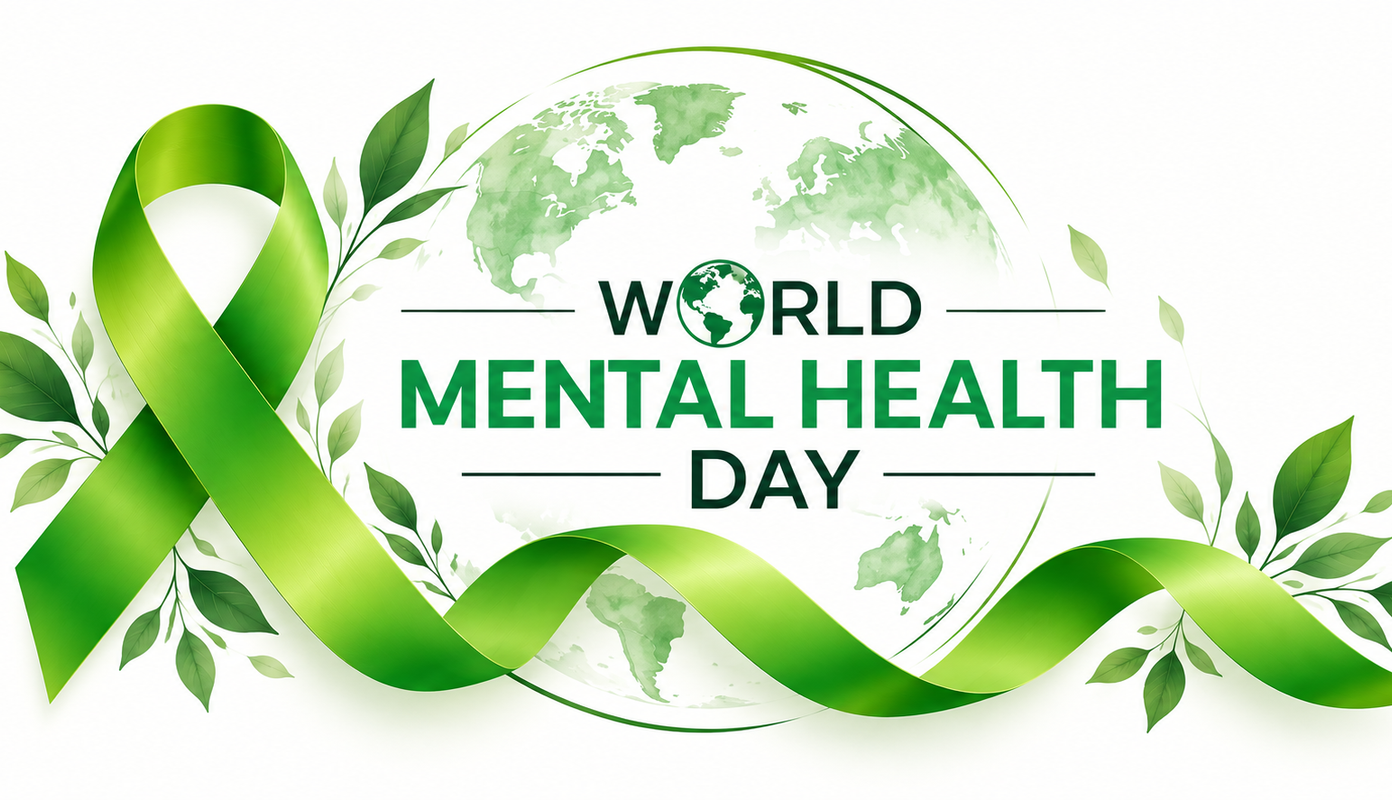
World Mental Health Day, observed every October 10, reminds us that mental well-being is an essential part of human health. It is an opportunity to challenge stigma, encourage open conversations, and build communities where people feel safe seeking help and supporting one another.
This year’s theme, “Lived experiences heard: real voices, real change,” recognizes that people who have experienced mental-health challenges bring knowledge that cannot come from research or professional training alone. Listening means more than hearing their stories—it means respecting their voices and including them in decisions that affect their lives
For humanists, this is also a reminder of the importance of empathy, dignity, evidence-based care, and human connection. Support should be accessible to everyone, including those who are non-religious. By listening without judgment and creating inclusive communities, we can help make it easier for people to speak openly, seek support, and know that they do not have to face difficult moments alone.
Supporting Mental Health Through Empathy
Mental health begins with how we treat one another. Listening without judgment, taking people’s experiences seriously, and creating spaces where it is safe to speak openly can make a meaningful difference. We may not always understand what another person is experiencing, but we can respond with compassion, patience, and respect for their dignity.
For secular and humanist communities, support should also respect freedom of conscience. Mental-health care and community support should be welcoming to everyone, whether they are religious, questioning, atheist, or non-religious. Evidence-based care, human connection, and respect for individual beliefs can help ensure that no one feels they must face difficult moments alone.
Reason, Evidence & Better Mental Health
Understanding mental health requires us to look beyond myths, stereotypes, and assumptions. Science has helped us recognize that mental-health challenges are real health concerns—not personal weaknesses or moral failures. By relying on evidence, asking thoughtful questions, and challenging misinformation, we can help replace stigma with understanding.
As we recognize World Mental Health Day this October, we encourage our community to listen when others share their experiences, speak openly about mental health without shame, and support access to evidence-based care. A humanist approach reminds us that compassion and reason belong together: we can follow the evidence while never losing sight of the person behind it.
Reason with Evidence. Respond with Empathy.
Written with the help of ChatGPT
Music Jam Night

Friday, October 2
Grab your harmonica and join us for jam night! Once a month we will gather to play music in a good old-fashioned jam session! Bring your own instrument or just come to sing along.
If you know what song you want to jam to, please write it in the comments.
Go to our Meetup page to register and get more details.
RMA Online Movie Night: 9/11 Conspiracy Theories Debate

Monday, October 5
The 9/11 attacks occurred 25 years ago, but the debate over what happened has not abated. Tonight we will watch a debate between Jonathan Kay and Webster Tarpley, which is about 90 minutes long.
NOTE the change in date, which is for this event only. Future movie nights will go back to being on the 4th Monday of each month.
This will be online via Zoom.
Head over to our Meetup page to register and get the Zoom link.
Book Club

Thursday, October 8
Second Thursday of every month at 7:00 pm MST
Join our monthly Book Club on the second Thursday of each month! Share your thoughts, enjoy the discussion, or simply come along—even if you haven’t read the book.
This month, the Book Club will be discussing the book: The Unbearable Lightness of Being by Milan Kundera
Head over to our Meetup page to register and get the Zoom link.
Thriving Without Religion:
A Public Gathering

Monday, October 12
Second Monday of every month at 7:00 pm MST
Whether you’re just starting to question your faith or have been living as a secular humanist for years, the transition away from religious dogma can feel like both a relief and a challenge.
This in person gathering is designed to help you navigate life after faith and build a meaningful, joyful existence rooted in reason and community.
Congress Coffee Company, 215 36 Ave NE, 1A · Calgary, AB
Please note – we will not be screening attendees, so use caution if you are not “out” as a non-believer.
You can register on our Meetup Page to get updates.
Global Skeptics in the Pub
Tuesday, October 13
Join us for the 2026 edition of Global Skeptics in the Pub!
The Third Annual Global Skeptics in the Pub begins Tuesday, October 13 in New Zealand at 7PM Kiwi Time and ends 24 hours later at 7PM Kiwi Time Wednesday. [UTC 0700 October 13 until UTC 0700 October 14]
Every year, October 13 is celebrated as International Skeptics Day
Anyone can participate from anywhere and for as long as they want!
You can register on our Meetup Page to get updates.
Skeptics in the Pub

Friday, October 16
Third Friday of the month at 7:00 pm MST
Come join us at the pub for good conversation, great company, and a drink or bite to eat!
This month’s topic is Haunted Houses & Terrifying Tales. Adrienne will set the spooky scene with two personal ghost stories, followed by a dive into the strange world of haunted-house hokum. Whether you’re a believer, a skeptic, or simply curious, come ready for a fun and thought-provoking discussion.
Limericks Traditional Public House
7304 Macleod Trail SE · Calgary, AB
Look for the RMA banner, or ask the host where our group is sitting!
You can register on our Meetup Page to get updates.
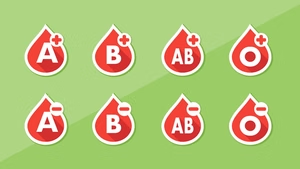
Blood Donor Clinic
Saturday, October 17
Join Rocky Mountain Atheists and help make a difference by donating blood with our community!
Canadian Blood Services
100–207 9 Ave SW · Calgary
Arrival: 11:00 AM
Important: A Meetup RSVP does not reserve your spot. Book through Canadian Blood Services and join the Rocky Mountain Atheists team.
Remember to bring photo ID and confirm your eligibility before registering. Complimentary donor parking is available at the Calgary Tower parkade.
Go to our Meetup page to register and get the Zoom link.
Coffee Chat Online

Monday, October 19
Third Monday of every month at 1:00 pm MDT
Our Coffee Chat is an enjoyable, unstructured afternoon conversation. Anyone can introduce an idea or ask a question, and the group will jump in and discuss it. You never know where the conversation will go, but it is always interesting and sometimes even educational. Join us and add your two cents’ worth.
Go to our Meetup page to register and get the Zoom link.
Monthly Board Meeting

Thursday, October 22
Fourth Thursday of the month at 5:30 pm MST
The Board of RMA meets on the 4th Thursday of each month. Meetings are open to all, but only Board members can vote.
Check out our Meetup page for the link and other details.
WeCanReason Webinar
Wednesday, October 28
Fourth Wednesday of every month at 7:00 pm MST
WeCanReason Webinar – Shame-Sex Attraction: Survivors’ Stories of Conversion Therapy with Lucas Wilson
Conversion practices—often called conversion therapy—are harmful efforts intended to change or suppress a person’s sexual orientation, gender identity, or gender expression. Although sometimes considered a thing of the past, these practices continue across North America, particularly within some high-control religious environments.
Lucas Wilson will explore how conversion practices operate today, why their prevalence may be underreported, and the experiences of LGBTQ+ people who have survived them.
Wilson is an SSHRC Postdoctoral Fellow at the University of Toronto Mississauga and editor of Shame-Sex Attraction: Survivors’ Stories of Conversion Therapy.
Head over to our Meetup Page to register and get the Zoom link.

Saturday October 31
Get ready to have a ghoulishly good time!
Come dressed in your most creative, creepy, or clever costume for our costume contest and a chance to win a prize. Feeling mysterious? Put your detective skills to work and help solve our murder mystery!
Bring your own specialty beverages and, if you’d like, a spooky snack to share.
Family-friendly event — all are welcome! 👻
Go to our Meetup page to register and get the Zoom link.
All details of our events can be found on our Meetup Page at https://www.meetup.com/rockymountainatheists/events/.