
See what leaders in science, secularism, critical thinking, and skepticism did last week
Here's a little of what secularists, skeptics, atheists, and scientists did last week

Let’s have a Coffee Chat
☕️✨ Coffee Chat Time! Join the RMA for a cozy and fun-filled coffee chat online! Whether you’re a regular or it’s your first time, we’d love to see you there. Come share your thoughts, swap stories, or just enjoy some good company over a warm cup of coffee. It’s the perfect way to unwind and connect!
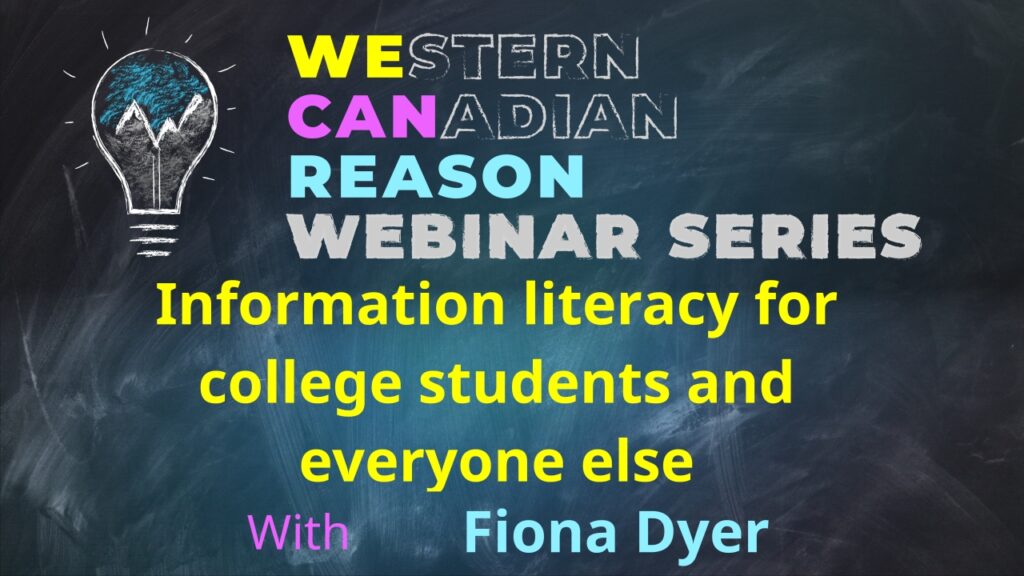
WeCanReason Webinar – Information literacy for college students and everyone else video released
Information literacy for college students and everyone else. How do librarians teach students to become skeptical inquirers during their education and beyond?

June 2025 Newsletter
The summer solstice, occurring around June 20–21 in the Northern Hemisphere, is the year's longest day and has been celebrated across cultures for millennia. Its significance lies not only in marking the peak of sunlight but also in symbolizing renewal, fertility, and the enduring connection between humanity and nature.

Powering the Future Wirelessly
Wireless power transmission is taking a significant step forward, moving from experimental setups to real-world applications. DARPA recently demonstrated an impressive 800-watt transmission that broke the distance record for optical energy transfer.

Finding Support Beyond Faith: Join Life Without Religion
Are you struggling with the challenges of leaving a religion or dealing with conflicts stemming from religious influences...
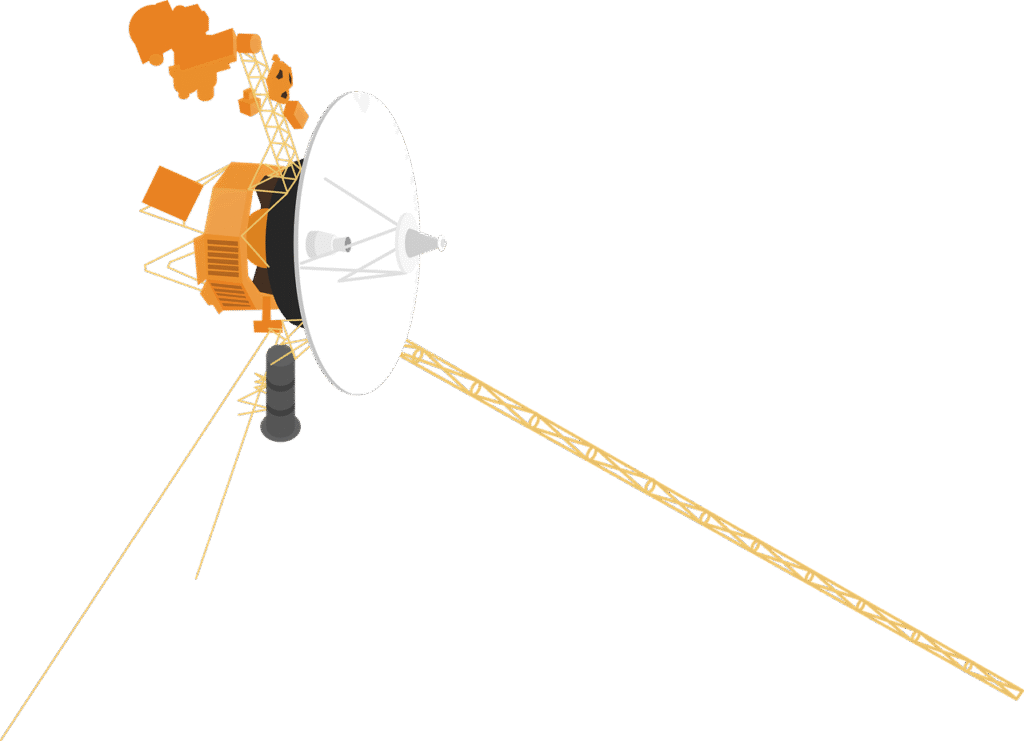
Voyager 1 Thrusters Come Back
NASA has successfully revived thrusters on Voyager 1, a nearly 50-year-old spacecraft, showcasing remarkable ingenuity and extending its mission in space exploration.

See what leaders in science, secularism, critical thinking, and skepticism did last week
Here's a little of what secularists, skeptics, atheists, and scientists did last week

WeCanReason Speakers’ Weekly Update
Catch up with what our speakers did last week

Machines Targeting Individuals
Recent research shows that large language models (LLMs) are outperforming humans in online debates by effectively using personal information about their opponents.
Recent Posts
- WeCanReason Speakers’ Weekly Update

- See what leaders in science, secularism, critical thinking, and skepticism did last week
- Apple Cider Vinegar Study: Science Says Skepticism Matters
- NASA reshuffles Moon missions
- Buy WeCanReason 2026 Tickets Now!
- WeCanReason Webinar – The Flaws of Ghost Hunting Gadgets: Why They Don’t Find Ghosts with Kenny Biddle
- Make the Census Count: Tick “No Religion” in 2026
- Buy Your Tickets for WeCanReason 2026!