
How Voyager engineers found two more years in a 50-year-old power budget
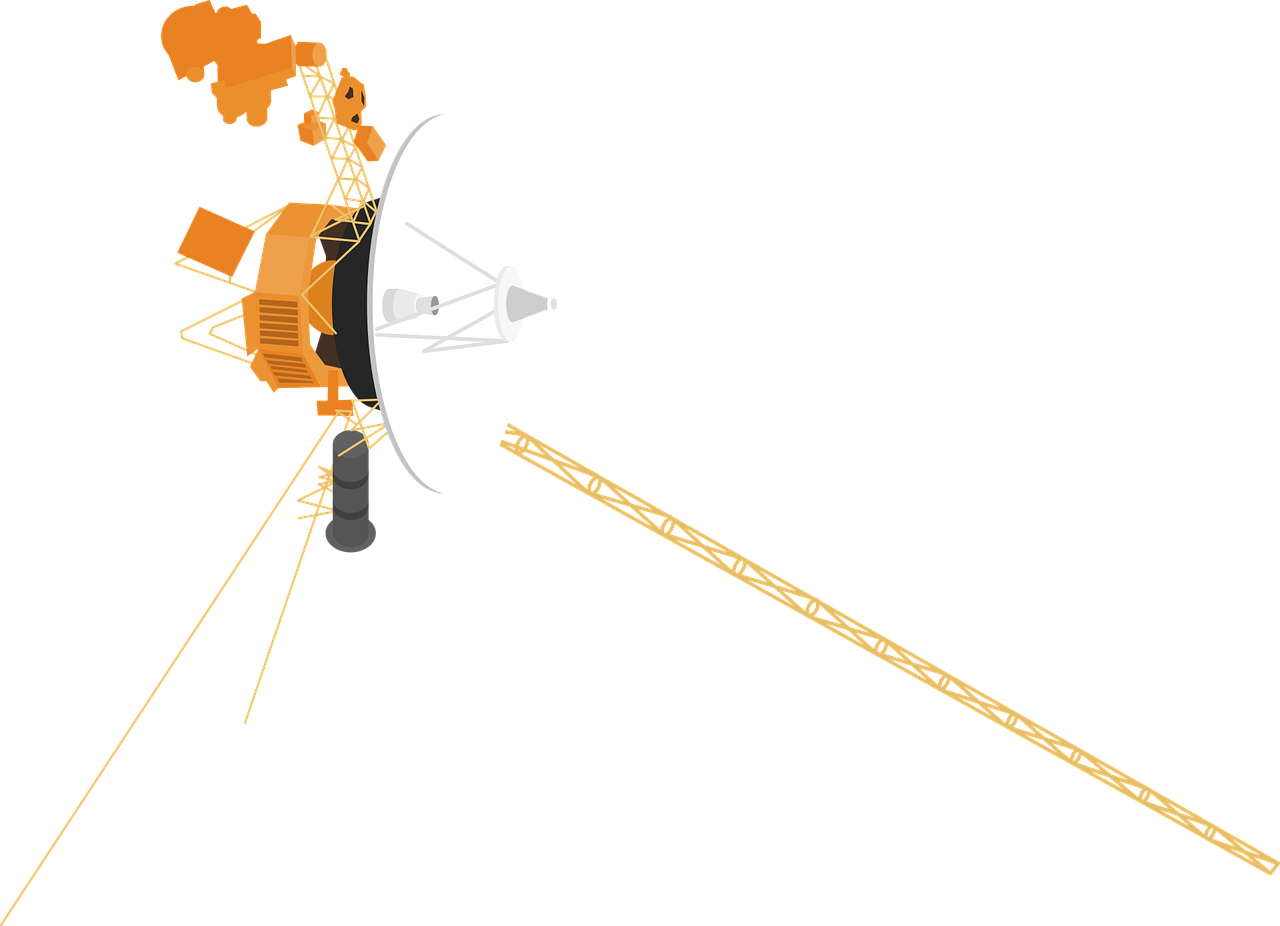
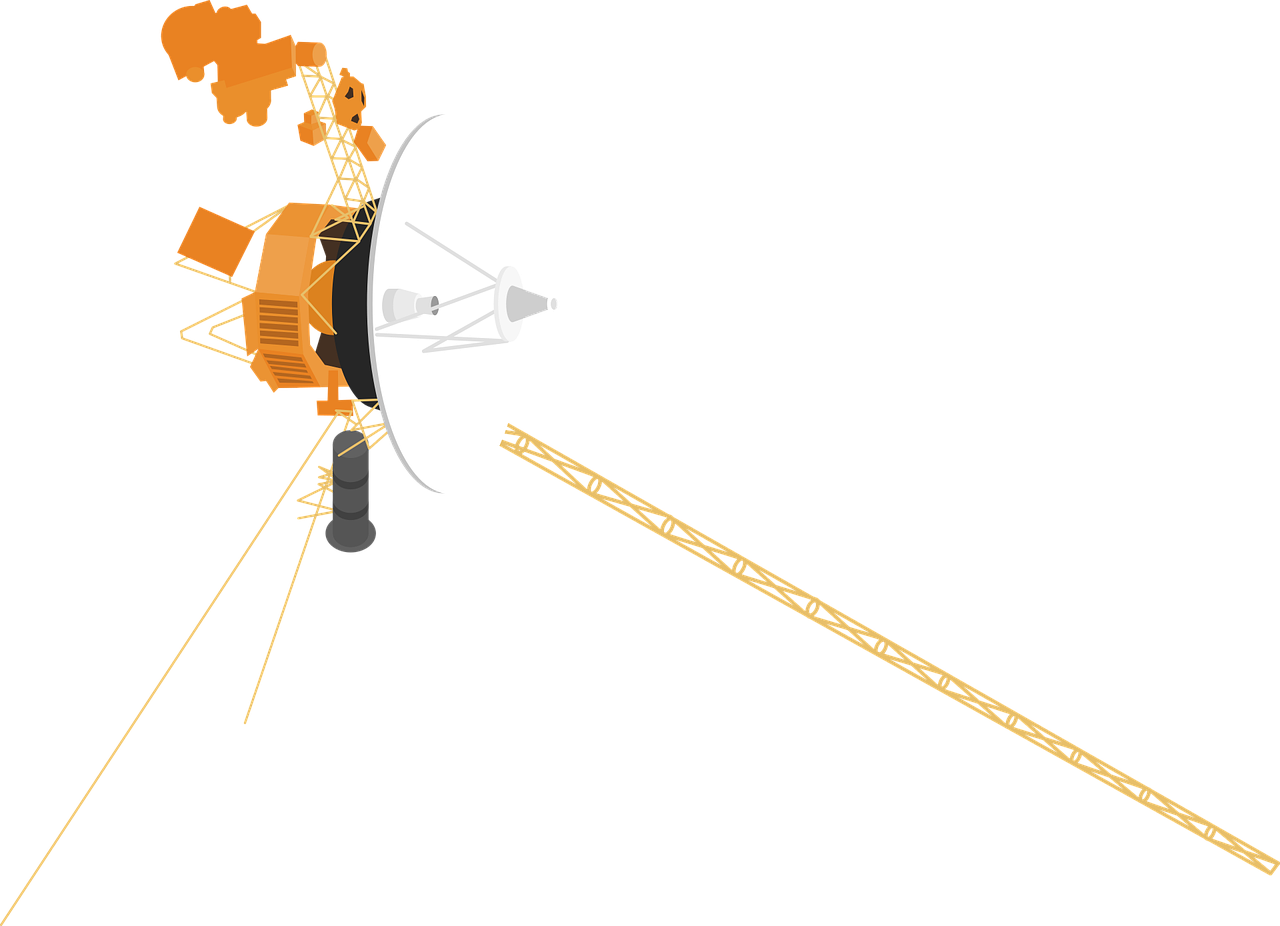
As we have posted here in May, 2026, engineers implemented a bold move to extend Voyager 2’s life, dubbed the Big Bang: a simultaneous reconfiguration of power systems to squeeze extra watts while keeping the craft thermally warm. After dialling in tiny component margins—sometimes less than a watt—the team ran Earth-based tests, then staged controlled in-flight checks. The six-hour thermal test confirmed the model, and July 9 marked the permanent switch. The result: power margins shifted forward by about two years, delaying the next instrument shutdown into 2028 for Voyager 2, with Voyager 1 following a similar path. The plan relies on careful risk management: what happens if an instrument reactivates, or if a short on the bus crops up? Still, Suzanne Dodd, Project Manager for the Voyager project, notes the allure of reviving long-idle instruments and pursuing software updates to boost data rates. As the duo of probes edges toward the farthest reaches of the solar system, the team accepts that Voyager’s farewell will come gradually, and on its own terms