
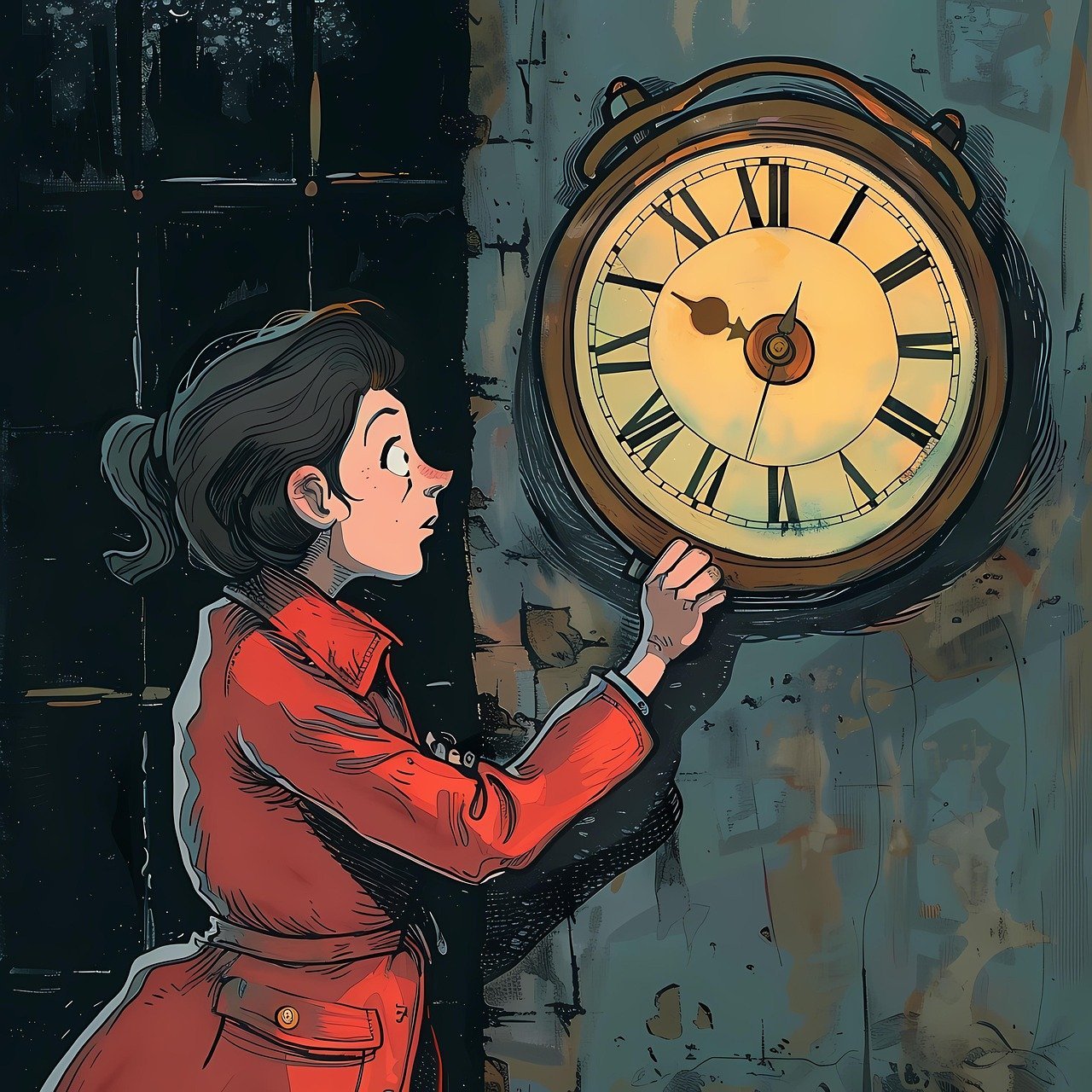
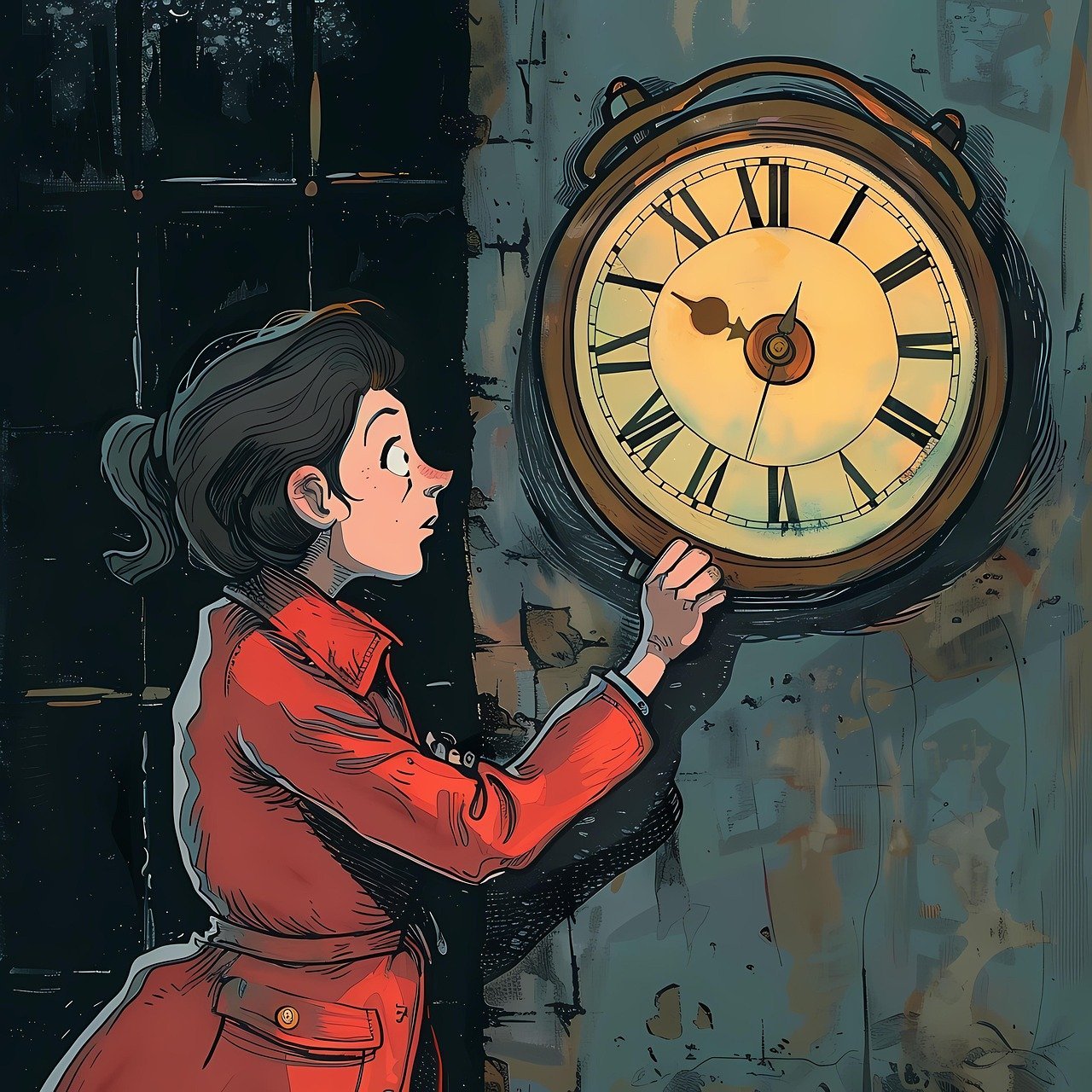
Permanent daylight saving time could be a public health time bomb
In Canada’s medical journal CMAJ, researchers review the health effects of permanent daylight saving time (pDST) and suggest permanent standard time (pST) would benefit public health more. While pDST gives longer evening daylight for activities and the economy, it lengthens winter-morning darkness, which clashes with our circadian biology. Our bodies run about 24.2 hours, needing morning light to reset and function, while late-evening light pushes sleep later and can harm sleep, mood, learning, and work. Across time zones, western regions get less sleep and even more economic and educational benefits tie to earlier light. Historical attempts at pDST in the U.S. and other countries ended badly due to dark winter mornings and public backlash. The authors favour pST, aligning with sleep science, and warn that if the U.S. shifts to pDST, Canada may follow suit under pressure. The piece concludes that brief clock adjustments might beat chronic health downsides