

See what leaders in science, secularism, critical thinking, and skepticism did last week
Here's a little of what secularists, skeptics, atheists, and scientists did last week
#humanist
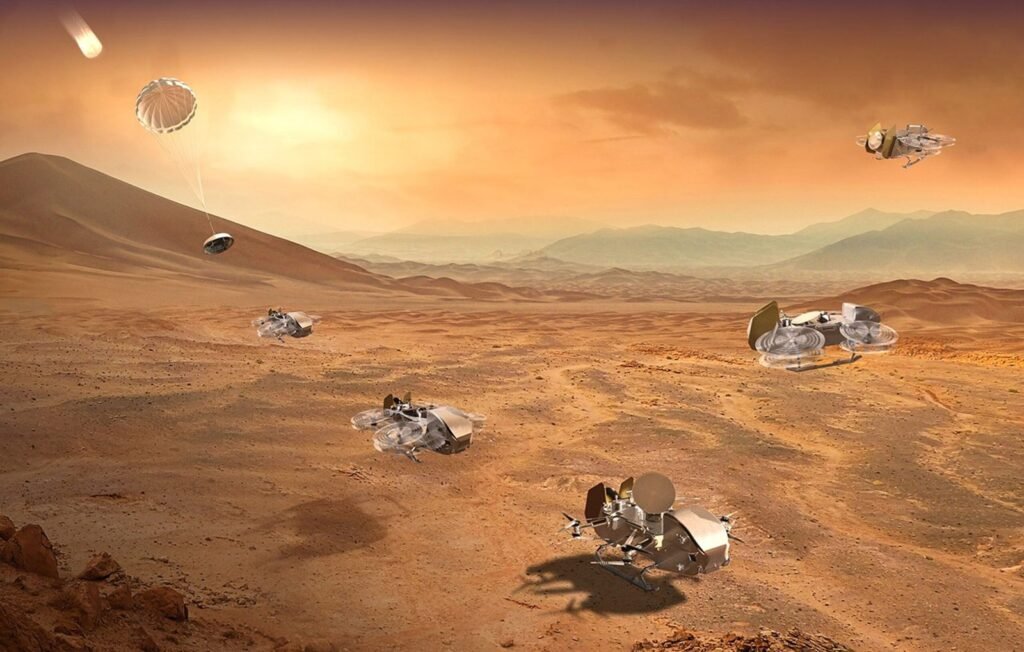
Dragonfly: Ahmakiq Undae Named for Titan
Dragonfly’s mission blends flying lab with Titan exploration, aiming for a 2028 launch and a multi-year surface and atmospheric study.

Biofield Scans: Pseudoscience in Modern Medicine
Biofield scans lack solid evidence and may distract from real medical care.

Ending Leap Seconds: Could Time Go Negative?
A bold proposal to end leap seconds could let UTC diverge from Earth's rotation for hours, reducing long-term risk to infrastructure while introducing new timing challenges.

WeCanReason Speakers’ Weekly Update
Catch up with what our speakers did last week#SethAndrews #psychicsofinstagram #psychics
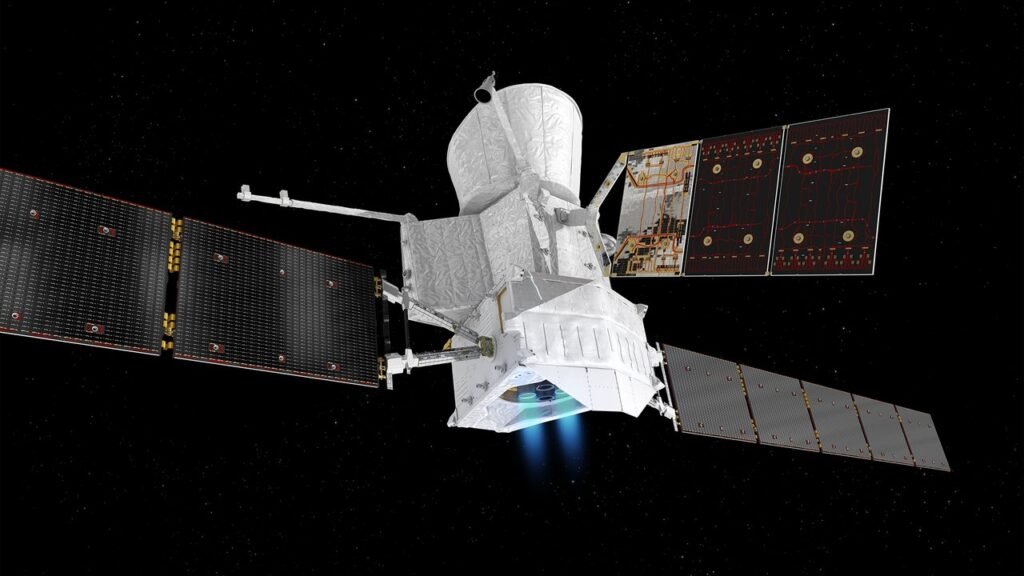
BepiColombo nears Mercury: ESA-JAXA mission reaches final phase
BepiColombo nears Mercury after a decade of journey, with final orbital insertion and science ready to begin.

See what leaders in science, secularism, critical thinking, and skepticism did last week
Here's a little of what secularists, skeptics, atheists, and scientists did last week
#humanist

Are Stronger El Niños Linked to Climate Change?
A 1,000-year record preserved in Galápagos corals suggests strong El Niño events have become more frequent as the planet has warmed. The findings add to evidence that climate change may be altering one of Earth’s major climate patterns.

Cyborg Roaches: Rescue Tech or Sci-Fi Dream?
Cyborg cockroaches could steer, immobilize, and deliver life-saving drugs in disaster zones, offering a potential leap in rescue medicine.

Small-scale gravity, big implications
Detecting gravity at the quantum level moves from theory to testable experiments, reshaping our view of spacetime and the universe.
Recent Posts
- See what leaders in science, secularism, critical thinking, and skepticism did last week

- Dragonfly: Ahmakiq Undae Named for Titan
- Biofield Scans: Pseudoscience in Modern Medicine
- Ending Leap Seconds: Could Time Go Negative?
- WeCanReason Speakers’ Weekly Update
- BepiColombo nears Mercury: ESA-JAXA mission reaches final phase
- See what leaders in science, secularism, critical thinking, and skepticism did last week
- Are Stronger El Niños Linked to Climate Change?






Social Media Auto Publish Powered By : XYZScripts.com