

WeCanReason Speakers’ Weekly Update
Catch up with what our speakers did last week#SethAndrews #psychicsofinstagram #psychics

See what leaders in science, secularism, critical thinking, and skepticism did last week
Here's a little of what secularists, skeptics, atheists, and scientists did last week
#humanist
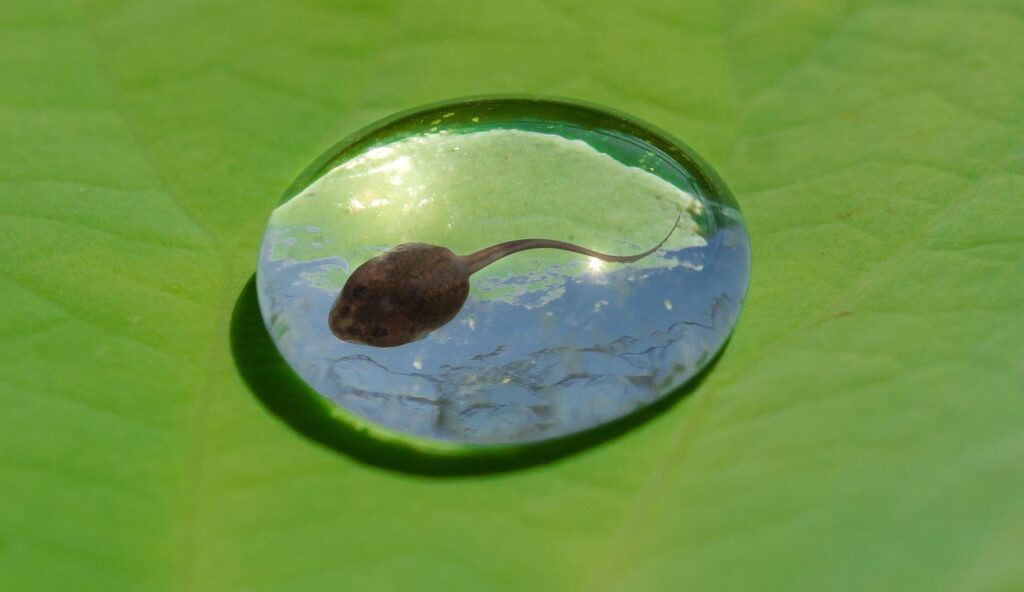
What If Intelligence Isn’t Just in Brains?
Could intelligence exist without a brain? Biologist Michael Levin argues that intelligence is about pursuing goals, not anatomy. His research offers a fresh perspective on life, adaptation, and the nature of intelligence itself.
When AI Rewrites Your Opinions
A new study suggests AI writing tools may do more than improve your grammar—they could also change the meaning of what you write. Find out why researchers are concerned about the future of online communication.
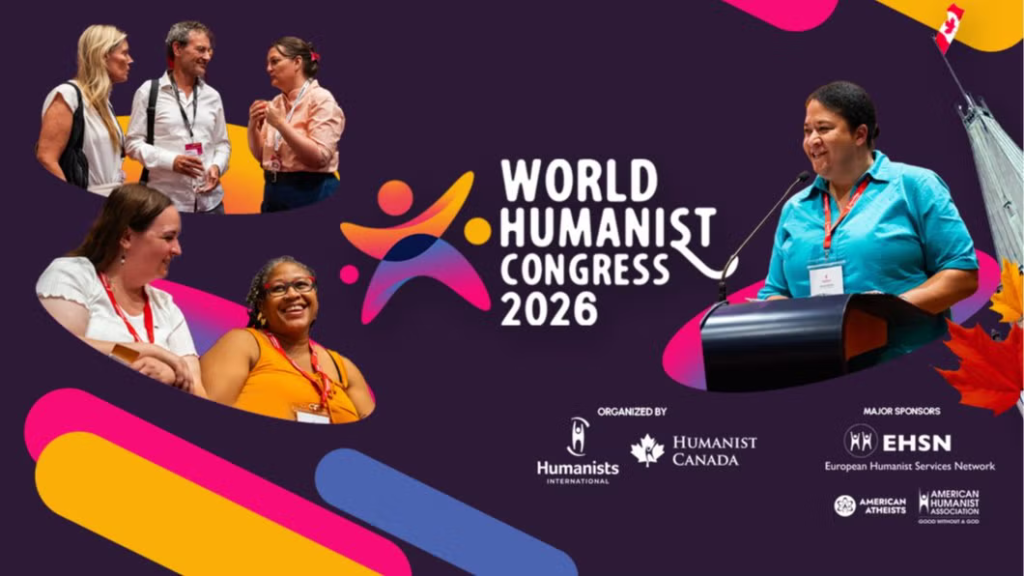
World Humanist Congress 2026
The World Humanist Congress (WHC) is not merely an event. It is the largest, most vital, and most influential international gathering of the global humanist movement. It stands as the essential centrepiece where the future of non-religious ethics and action is decided. More details at https://humanists.international/event/world-humanist-congress-2026/
WeCanReason Webinar – The common cold: 30,000 years of the sniffles? video released
Everybody knows what a cold feels like: miserable. Learn why cold viruses can only exist at all thanks to the society we’ve built over the last few millennia.
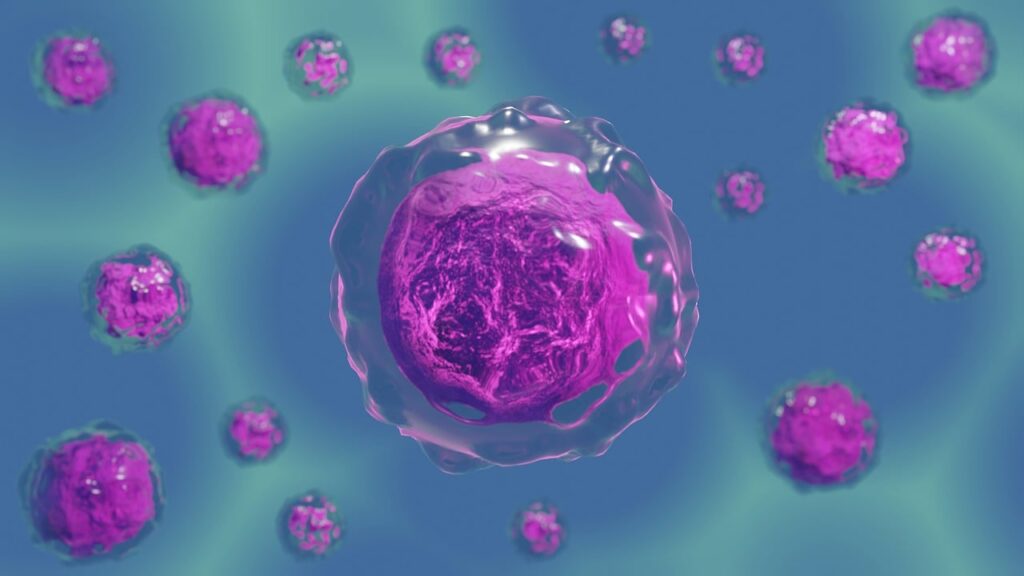
Microtubules: Highway Inside the Cel
Microtubules form the cell’s skeleton, shape, transport, and division—tiny tubes guiding life’s essentials.
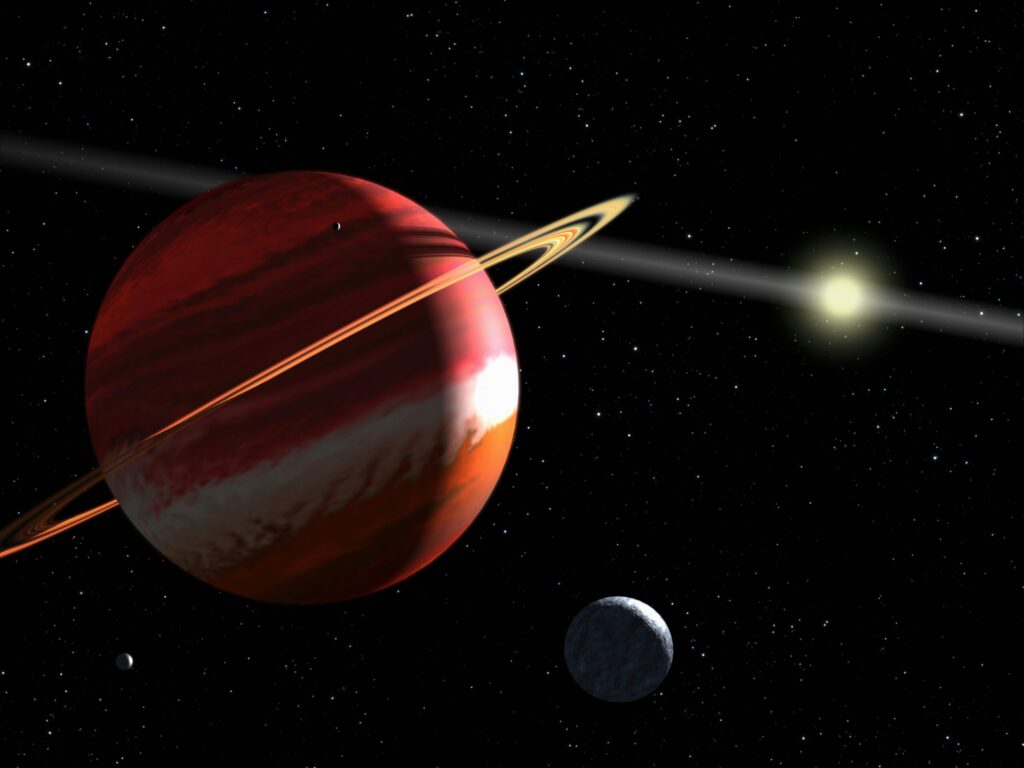
First exomoon-like candidate
A possible exomoon-like satellite around a brown dwarf challenges how we define moons and planets, signaling progress as detection methods advance.

Vaping: Risks That Aren’t Obvious
Vaping promises safety and quitting aid, but emerging data point to real health concerns and pathways to smoking for some users.

WeCanReason Speakers’ Weekly Update
Catch up with what our speakers did last week#SethAndrews #psychicsofinstagram #psychics
Recent Posts
- Human in the loop: why it matters

- AI agents that explain and reuse research
- WeCanReason Webinar – Making America Hurt Again? The dark rise of medical disinformation video released
- Science as a Human Enterprise
- Does Gaming Help or Hurt? Find Out
- What Happens When Science Tests Out-of-Body Experiences?
- WeCanReason Speakers’ Weekly Update
- Humanism in Canada: Challenges, Stories and Community





Social Media Auto Publish Powered By : XYZScripts.com