Revolution in Organ Transplants
In the ever-changing world of healthcare, some technologies are quietly making strides that could change medicine forever. One standout is the use of genetically modified animals for organ transplants.

Inside the ‘Queen of Canada’ Cult Raid
RCMP arrested Romana Didulo, the self-proclaimed “Queen of Canada,” and 15 followers in a Saskatchewan cult compound raid, ending two years of tension in the village of Richmound.
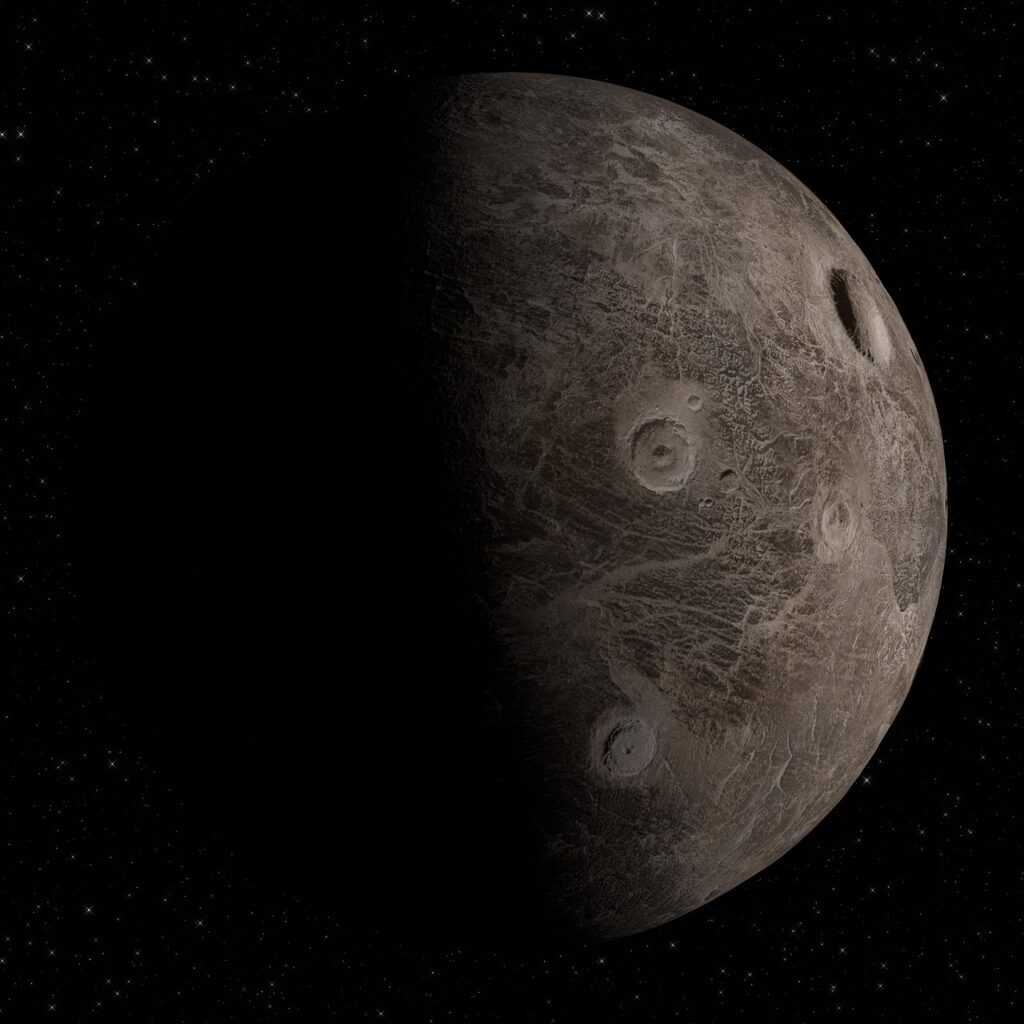
Could Ceres Support Microbial Life?
Ceres, the dwarf planet between Mars and Jupiter, once had a warm internal ocean that could have supported microbial life. This finding reshapes our understanding of where life might exist beyond Earth.
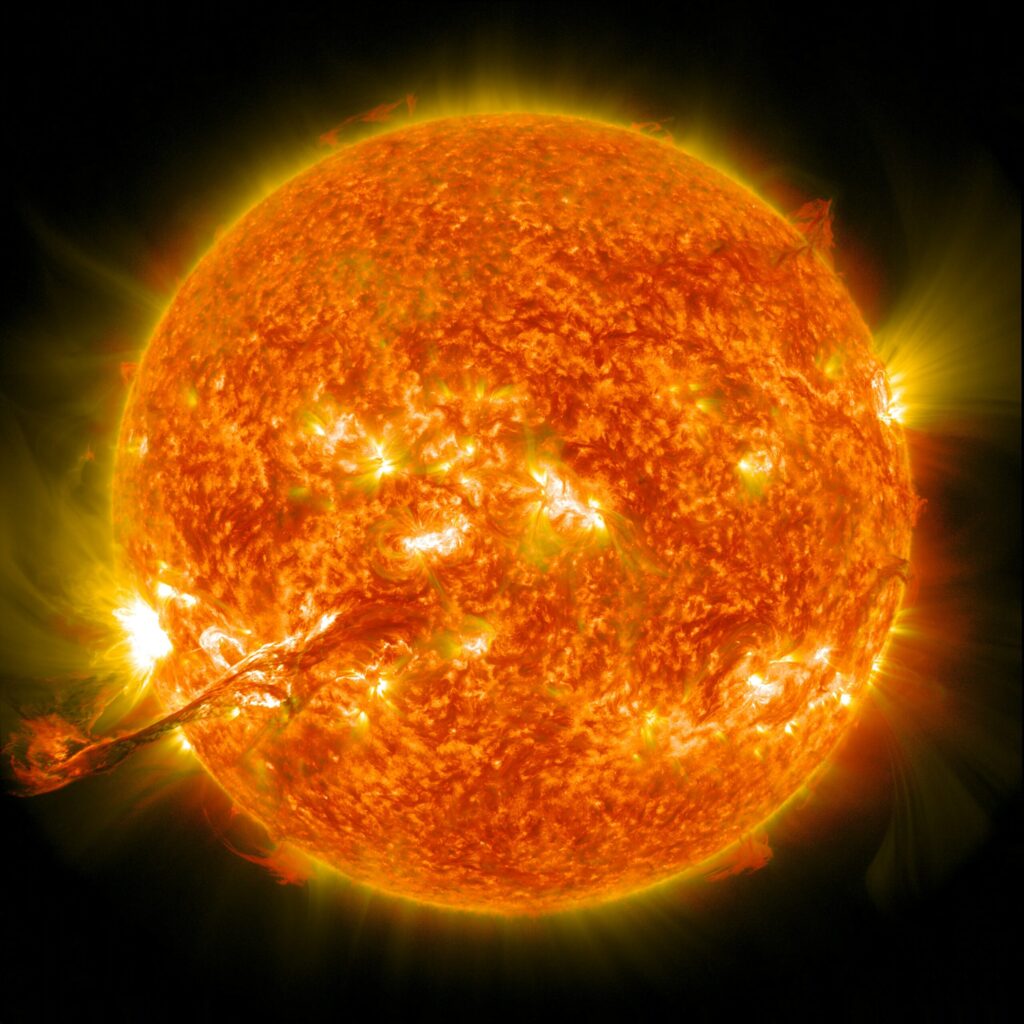
Protecting Satellites with AI
IBM and NASA's new AI model aims to predict space weather, offering early alerts to protect satellites and power grids from potential disruptions.
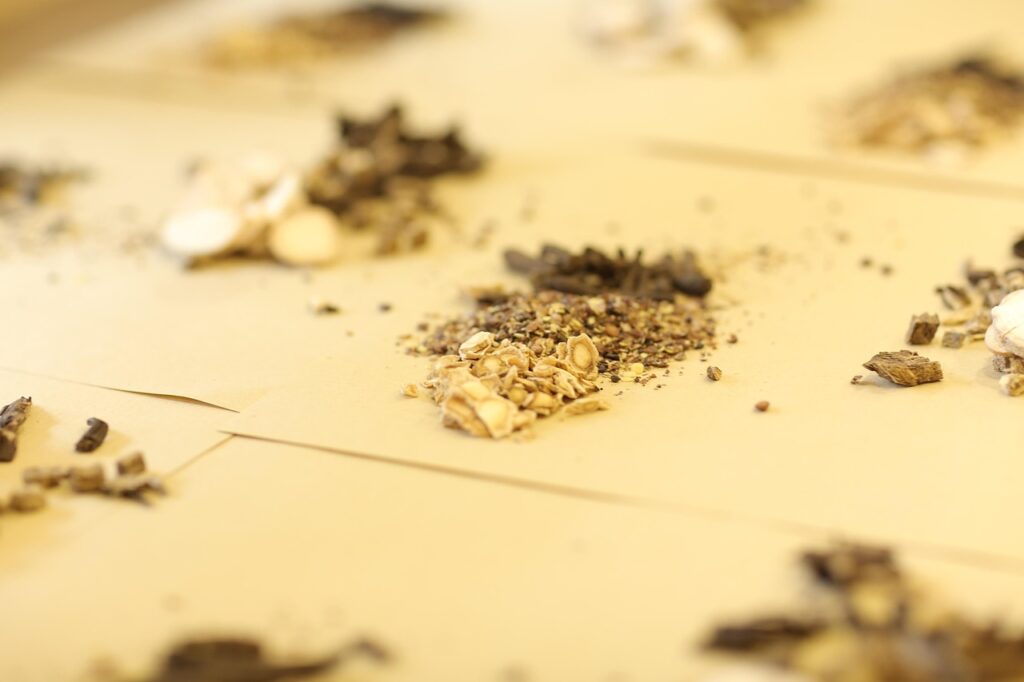
The Hidden Cost of Traditional Medicine
Explore the urgent need for sustainable practices in traditional medicine as species face extinction. Discover how cultural healing and conservation can work hand in hand.

Quebec’s Secularism Bill Targets Street Prayer
Quebec plans to ban public prayer as part of its push to reinforce secularism, raising questions about religious freedom and public space in the province.

Bridging the Health Information Gap
Understanding health discussions on social media is crucial as we face a fragmented reality. Engaging thoughtfully can help bridge the gaps in our shared understanding.
GLP-1 Patches: The Truth Behind the Hype
Discover why GLP-1 patches aren't the solution they claim to be. Learn the facts behind GLP-1 drugs and avoid falling for misleading marketing.
Nuclear Energy’s Bold Move
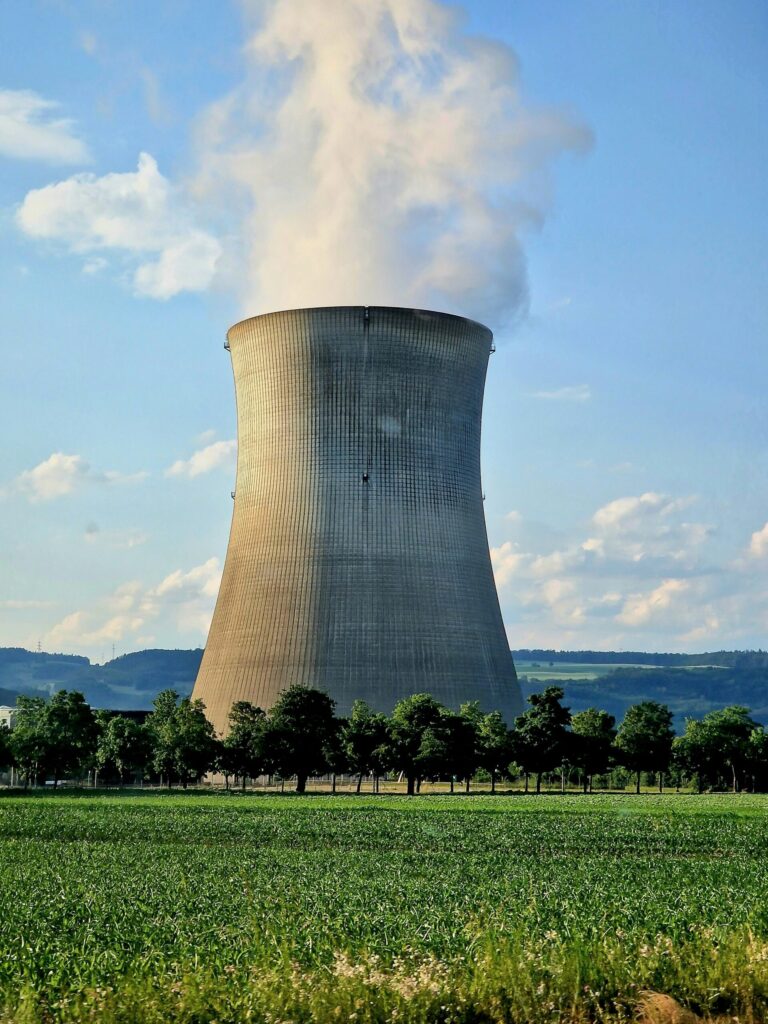
In Oak Ridge, Tennessee, a new chapter in nuclear energy might be on the horizon. Kairos Power, backed by Google, is looking to reintroduce molten salt reactors to the area over 60 years after their initial demonstrations.
Cat Memes and Cricket: Correlation or Coincidence?
Curious about the link between cat memes and cricket? Discover how correlations can mislead us and the importance of questioning claims in science.
Recent Posts
- New Way to Capture Carbon Hits the Scene

- Robotics Meets Camouflage Technology
- When Faith and Medicine Collide
- WeCanReason Speakers’ Weekly Update
- Satellite Signals Causing Major Problems
- See what leaders in science, secularism, critical thinking, and skepticism did last week
- Debating Cranks: Is It Worth It?
- Screen Time Hurts Kids