
Bridging the Health Information Gap
Understanding health discussions on social media is crucial as we face a fragmented reality. Engaging thoughtfully can help bridge the gaps in our shared understanding.
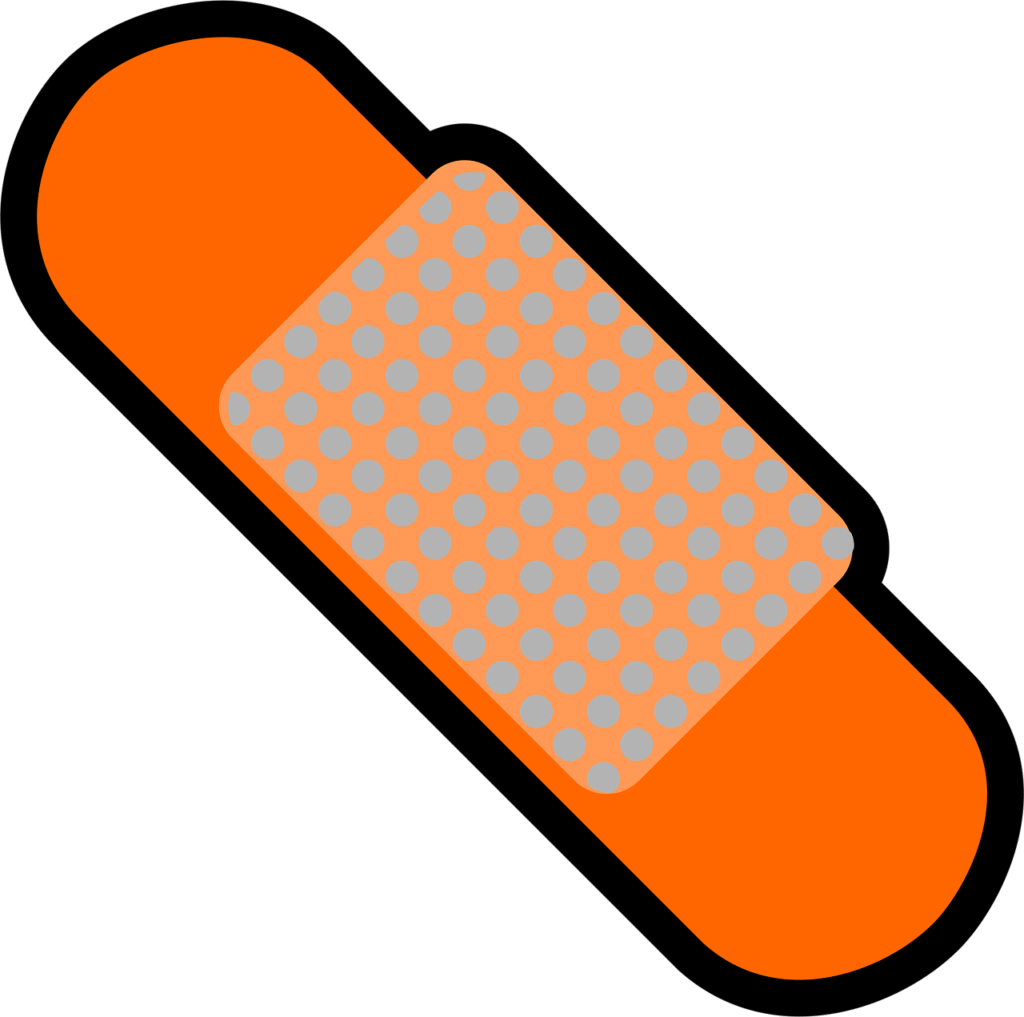
GLP-1 Patches: The Truth Behind the Hype
Discover why GLP-1 patches aren't the solution they claim to be. Learn the facts behind GLP-1 drugs and avoid falling for misleading marketing.
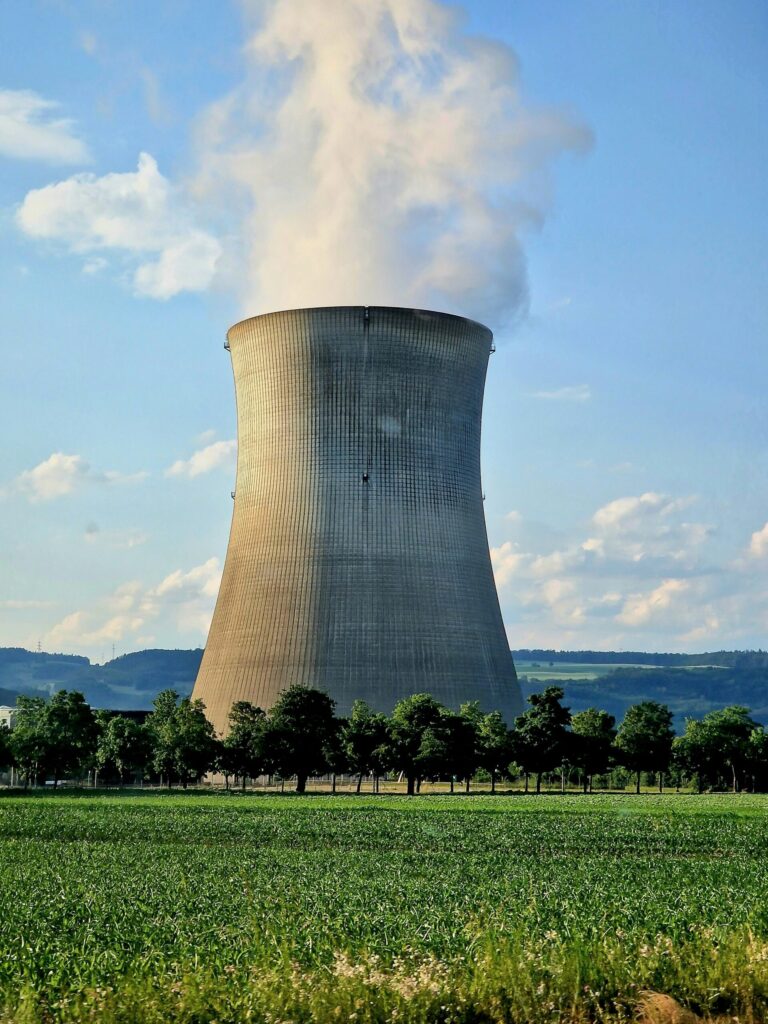
Nuclear Energy’s Bold Move
In Oak Ridge, Tennessee, a new chapter in nuclear energy might be on the horizon. Kairos Power, backed by Google, is looking to reintroduce molten salt reactors to the area over 60 years after their initial demonstrations.
Cat Memes and Cricket: Correlation or Coincidence?
Curious about the link between cat memes and cricket? Discover how correlations can mislead us and the importance of questioning claims in science.
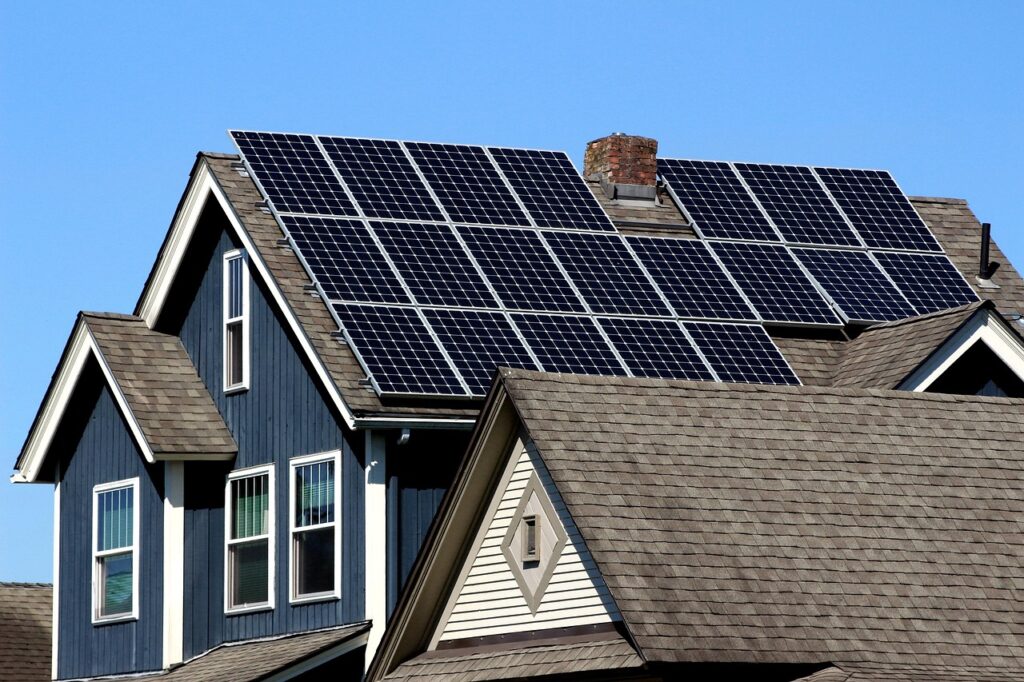
Power Up Your Savings with Neighbours
Discover how Australian households can profit from sharing solar energy with neighbours instead of settling for low feed-in tariffs. This innovative approach could change the energy landscape for good.
Influencers Master the Art of Promotion
Are you aware of the sneaky tactics influencers use to promote products? Discover how social media marketers are concealing ads in plain sight and what it means for you.
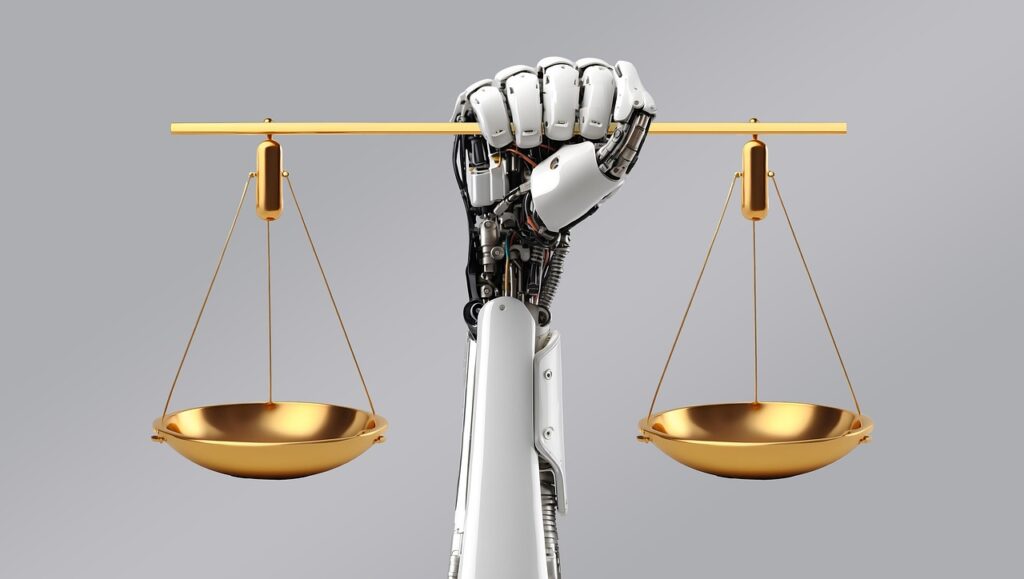
Who Decides Right and Wrong?
Philosopher Elad Uzan explores the limits of AI in understanding ethics, emphasizing that the responsibility for moral decisions remains with us
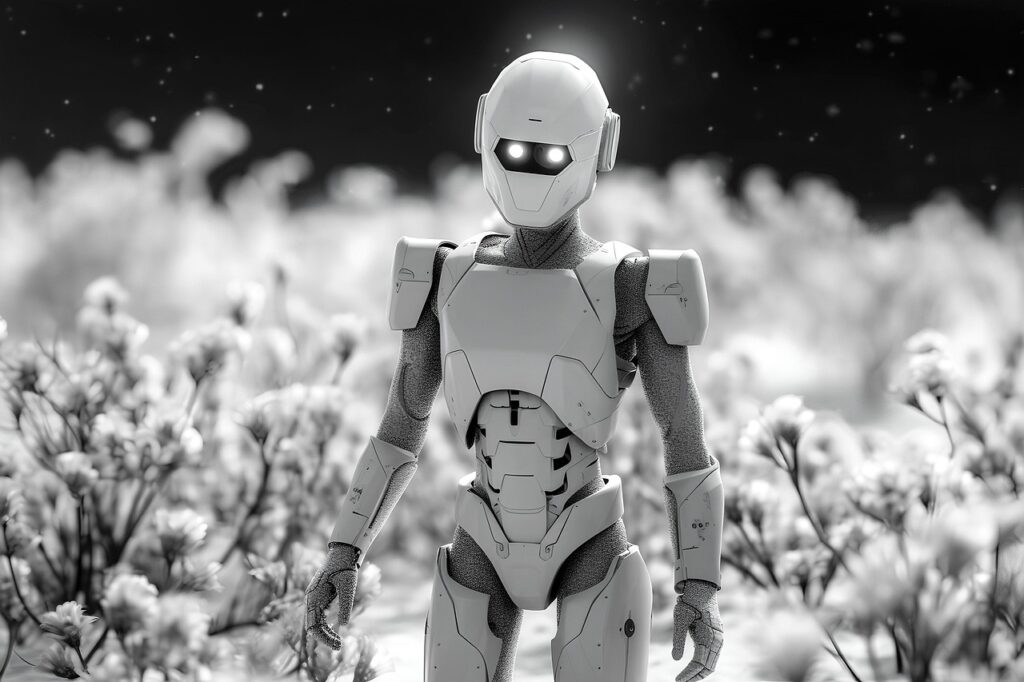
Remote Robots: The Future Awaits
While we’re not quite ready for humanoid robots to roam freely, you can create one that operates remotely. This helps gather crucial data for developing advanced models that will eventually lead to autonomous walking robots.
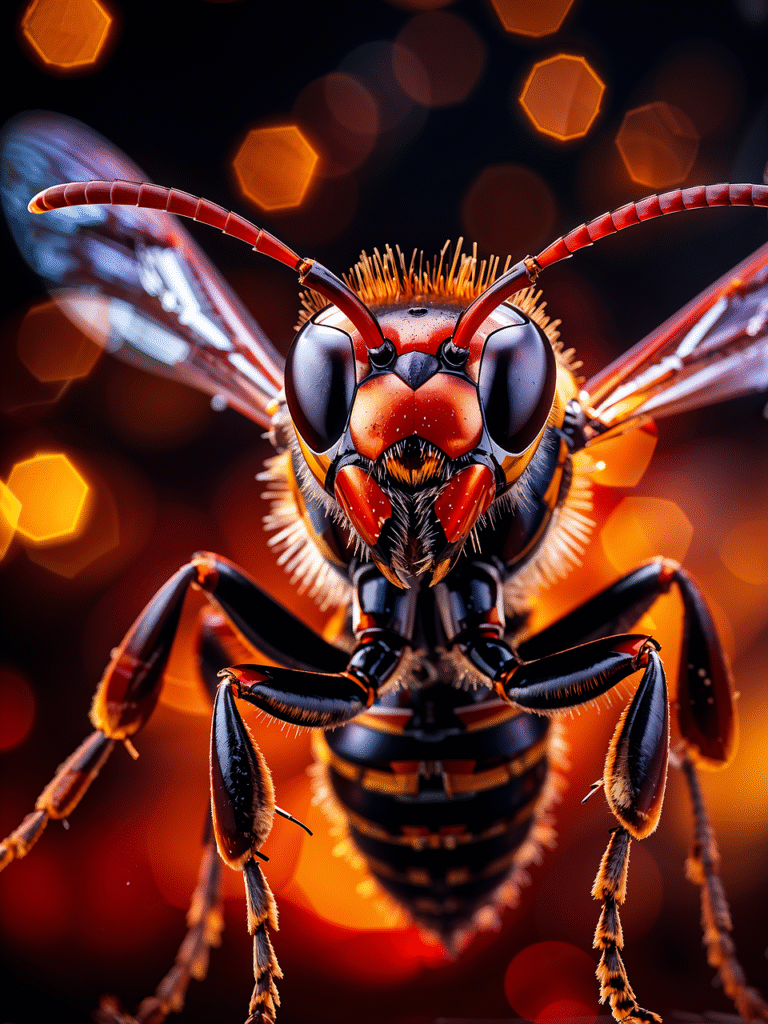
Cold War Ghosts: Glowing Wasp Nest Found
A wasp nest found glowing with radiation at a Cold War nuclear site raises questions about safety and monitoring measures in place. The US Department of Energy claims everything is fine, but is it really?
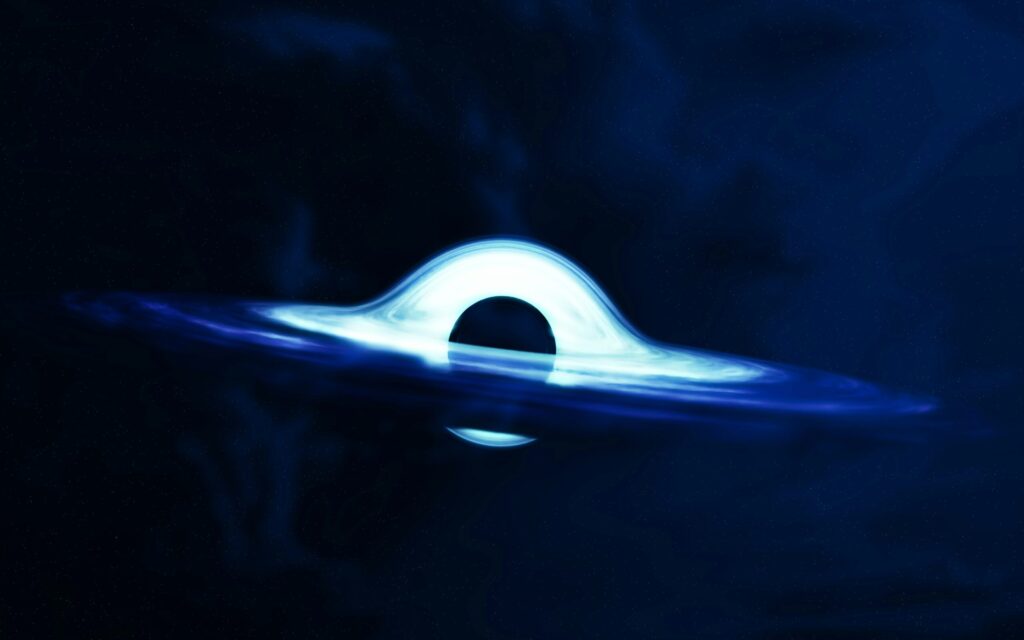
What Happened in the First 200 Million Years?
Astronomers may have discovered that the universe was much more active than previously believed just 200 million years after the Big Bang. This new insight could change everything we know about early cosmic history.
Recent Posts
- Humanists Call for Secular Schools in Alberta

- Living Computers: A New Era
- WeCanReason Speakers’ Weekly Update
- See what leaders in science, secularism, critical thinking, and skepticism did last week
- Nature’s Response to Human Expansion
- Boost Your Child’s Literacy with Comics
- The Next Gold Rush in Space
- Beam Me Down: Breaking Barriers in Solar Energy