
Can AI Ever Be Conscious?
The debate on consciousness is heating up. A recent paper introduces "biological computationalism," exploring how consciousness might differ between biological and artificial systems. This ongoing discussion is crucial for understanding what it means to be conscious.
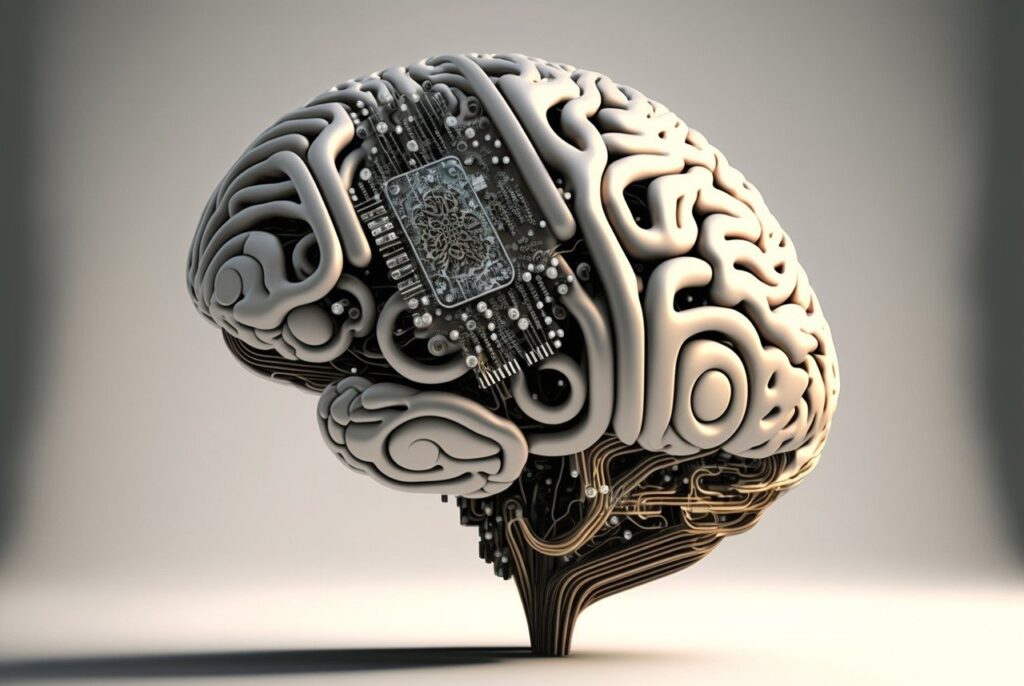
Living Computers: A New Era
Scientists are building computers from living human brain cells, exploring how they learn and adapt. This research could revolutionize technology and our understanding of cognition.
#Computers #ArtificialIntelligence
AI and the Ethics of Deception
How to stop artificial intelligence, particularly large language models (LLMs), from lying?
The Ethics of AI in Healthcare
Can AI really handle moral choices in healthcare? Researchers say no, especially when it comes to critical decisions like kidney transplants.

AI-Powered Drugs May Soon Head to Trials
Google DeepMind announces potential clinical trials for AI-designed drugs, promising a transformation in medical treatments.
Why Old Memories Survive New Ones
When we sleep, our brains juggle old and new memories in distinct phases, keeping them from overwriting each other.

Is Your Brain Slow? New Study Says Yes
Caltech researchers have made an intriguing discovery: the speed of human thought is only about 10 bits per second.

How AI Reduces Our Thinking Skills
Artificial Intelligence is changing the way we think—literally. A new study shows that while AI tools can lighten our mental load, they may also be diminishing our critical thinking skills.

Unveiling the Limitations of Large Language Models
ChatGPT and other large language models (LLMs) have shown improvement in their capabilities since their launch less than two years ago. However, they still struggle to break free from their limitations, particularly in terms of creativity.

The AI Evolution: Transforming User Manual Experience
Many people skip reading user manuals for new devices, finding them frustrating and inadequate. However, artificial intelligence (AI) offers a promising solution.
Recent Posts
- Robotics Meets Camouflage Technology

- When Faith and Medicine Collide
- WeCanReason Speakers’ Weekly Update
- Satellite Signals Causing Major Problems
- See what leaders in science, secularism, critical thinking, and skepticism did last week
- Debating Cranks: Is It Worth It?
- Screen Time Hurts Kids
- WeCanReason Webinar – From Faith to Freedom: My Journey from Turkey to Canada with Berke Topcuoglu