
Pompeii Time Capsule Reveals Secrets to Durable Ancient Roman Cement
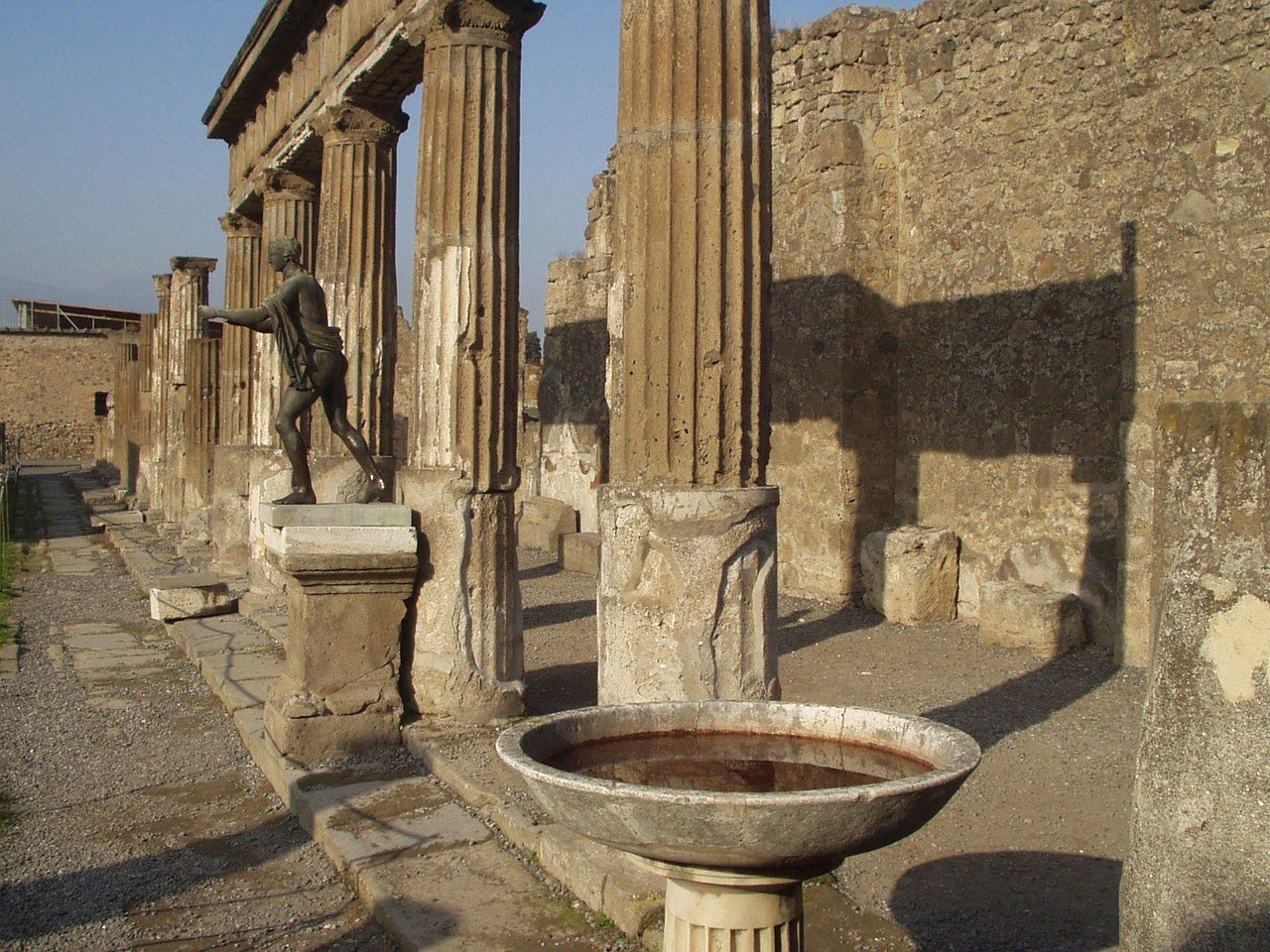
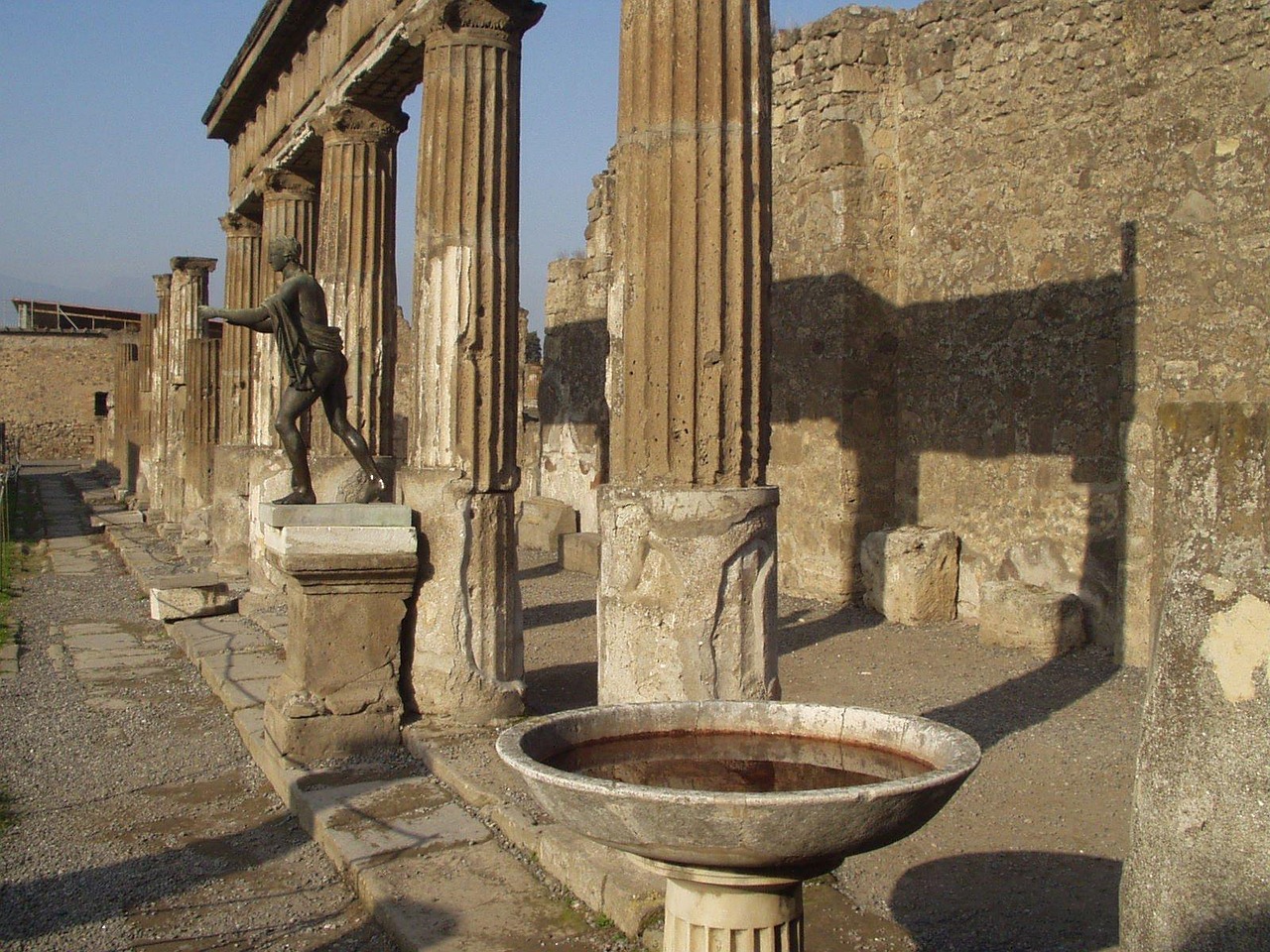
A house in Pompeii, frozen in time by the eruption of Mount Vesuvius, has revealed how ancient Romans made cement that could heal itself — and why their structures still stand today. Researchers from MIT uncovered piles of dry mortar ingredients — volcanic ash mixed with quicklime — showing that Roman builders used a method called hot mixing, not the slower lime process once described by Vitruvius. This technique created tiny lime clasts that allowed cracks to repair themselves when exposed to moisture, giving Roman concrete its legendary strength. The discovery not only rewrites what we know about Roman engineering but could help today’s builders design longer-lasting, more sustainable concrete — and even guide future restorations of ancient sites.