Schools are starting to teach AI literacy. For many, that means helping kids see chatbots’ flaws
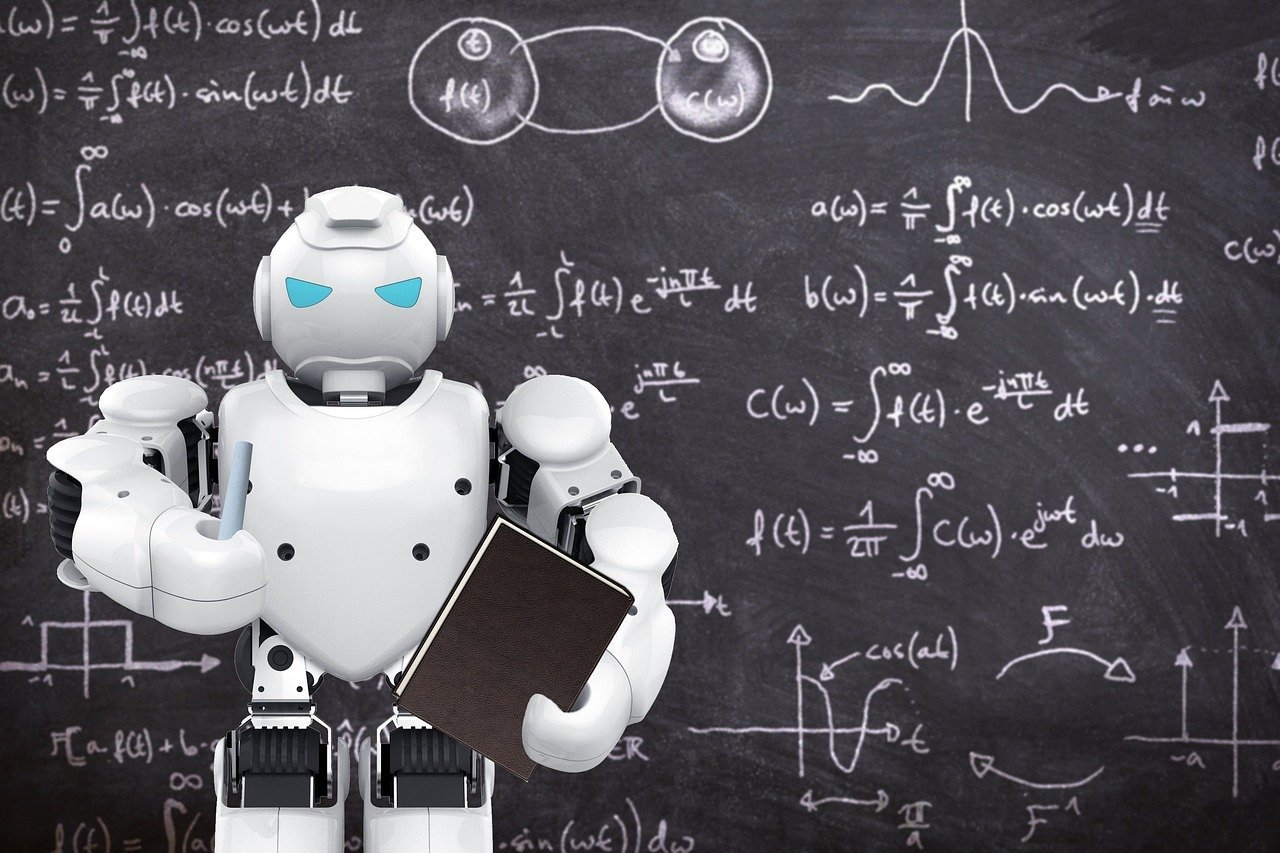
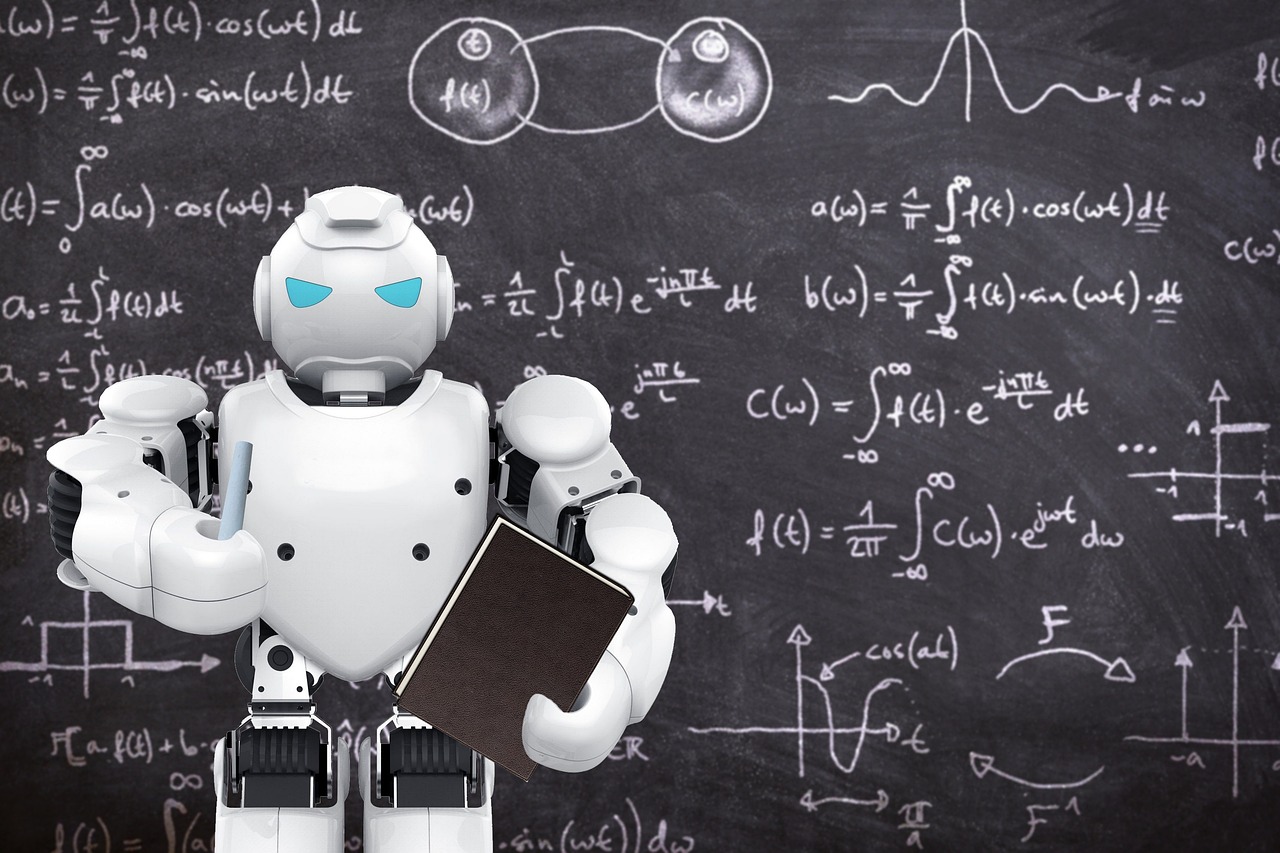
AI is moving from something schools try to ban to something they’re teaching students to understand. Across the US, educators are developing AI literacy programmes that go beyond learning how to write better prompts. The goal is to help students recognize when chatbots are wrong, biased or simply making things up—and to understand when they shouldn’t use AI at all.
That shift is already producing some useful classroom lessons. One teacher demonstrated AI’s flaws by asking a chatbot to create a map of the world, only to get a geography lesson full of misspelled countries and nonsense. Other schools are teaching students to verify AI-generated information, protect their privacy and keep using their own analytical skills. But there’s a challenge: training takes time and money, and access varies between school districts. As AI becomes part of everyday life, the question may no longer be whether students should use it, but whether they know when to trust it—and when to think for themselves.