
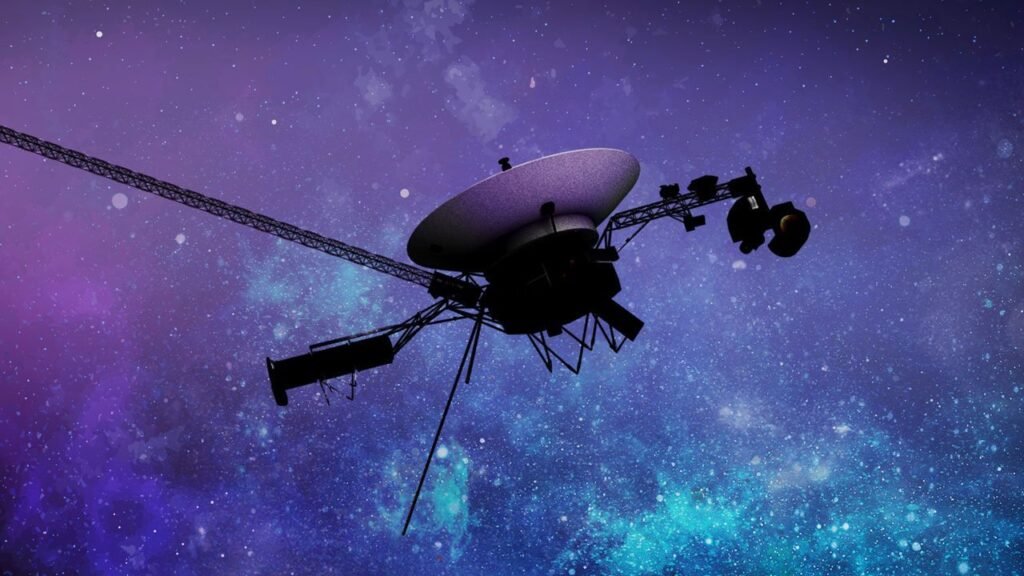
Flash a Signal for Voyager 1’s Light-Day
Voyager 1 is nearing a record-breaking distance from Earth. NASA wants people to mark the moment by flashing “VGR” in Morse code after sunset.

The Asteroid Deflection Problem Just Got More Complicated
A new modelling method makes asteroid-deflection simulations over 1,600 times faster—and reveals how an asteroid’s shape and orientation could dramatically affect the outcome.
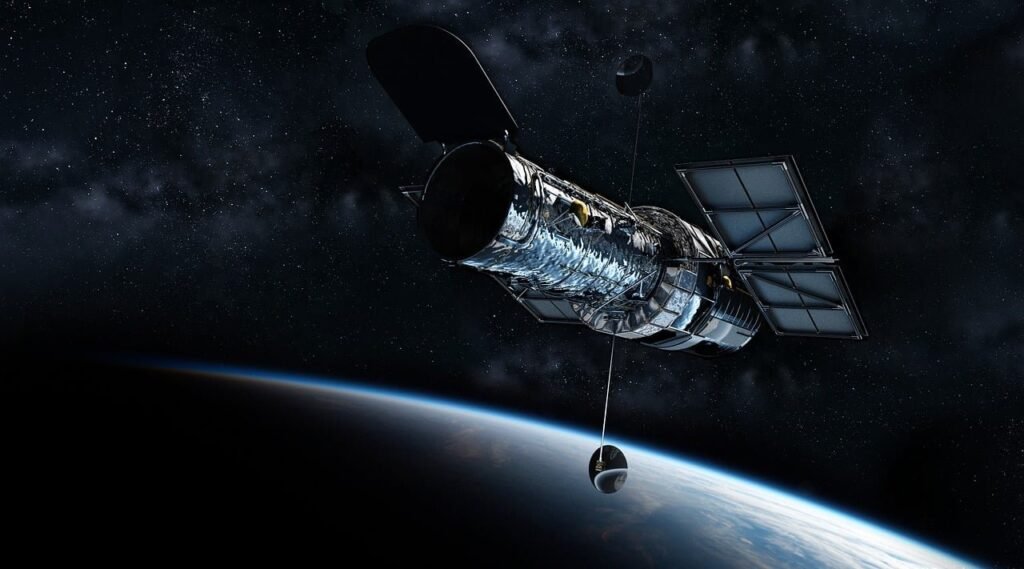
Hubble’s Clock Is Ticking: Can Space Firms Save It?
Hubble could re-enter Earth’s atmosphere as early as 2032. NASA is asking commercial space companies to explore ways to extend the telescope’s life—or bring it down
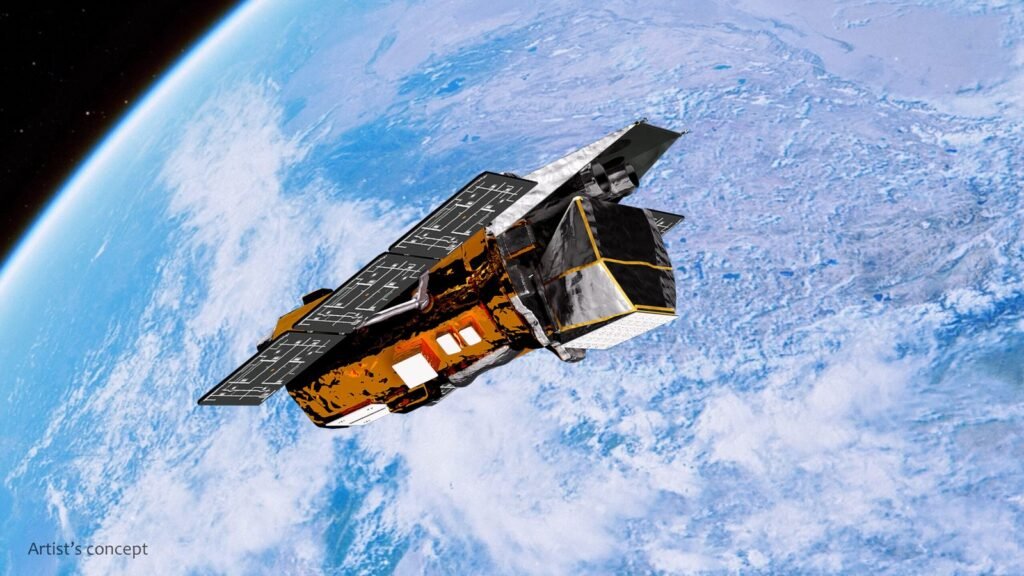
NASA’s Swift Observatory Closes a 22-Year Chapter
Swift Observatory has ended its science mission after nearly 22 years. Discover why astronomers relied on Swift—and what its final observation marks for space science.
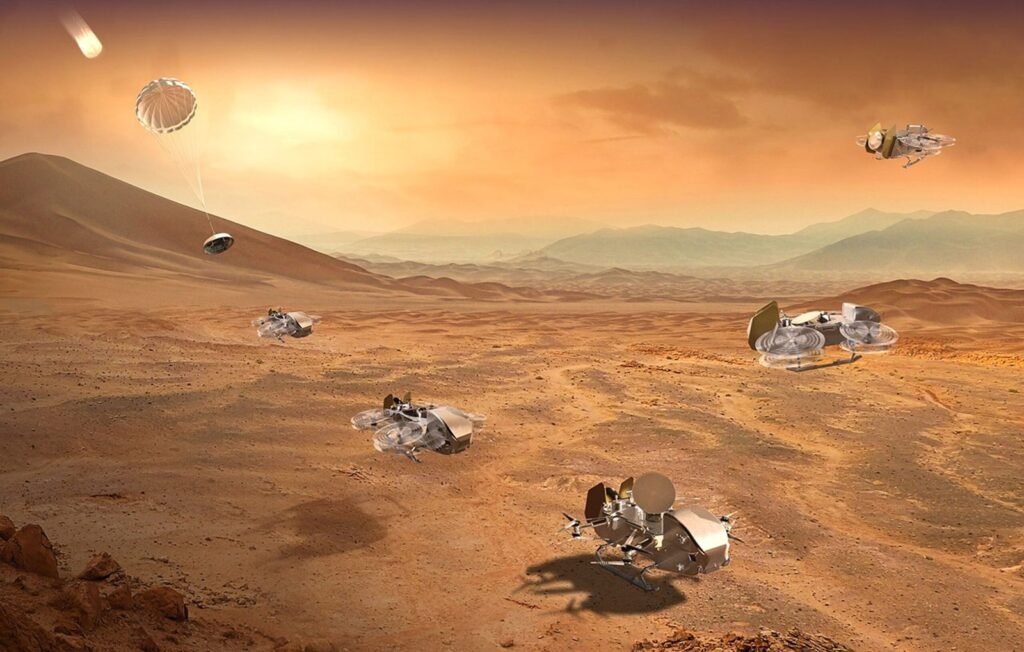
Dragonfly: Ahmakiq Undae Named for Titan
Dragonfly’s mission blends flying lab with Titan exploration, aiming for a 2028 launch and a multi-year surface and atmospheric study.
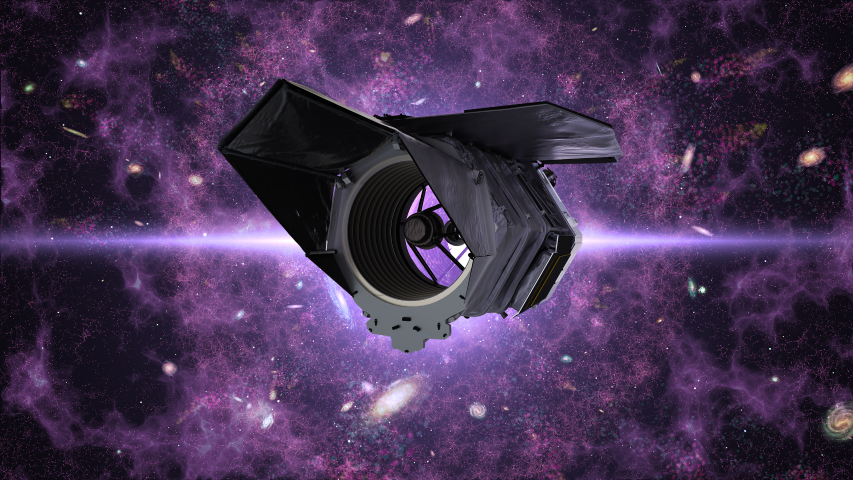
Roman Telescope launches: Big sky survey begins
Roman telescope launches, opening new horizons in exoplanet imaging and cosmic mapping, as part of NASA’s open-data, multi-telescope network.
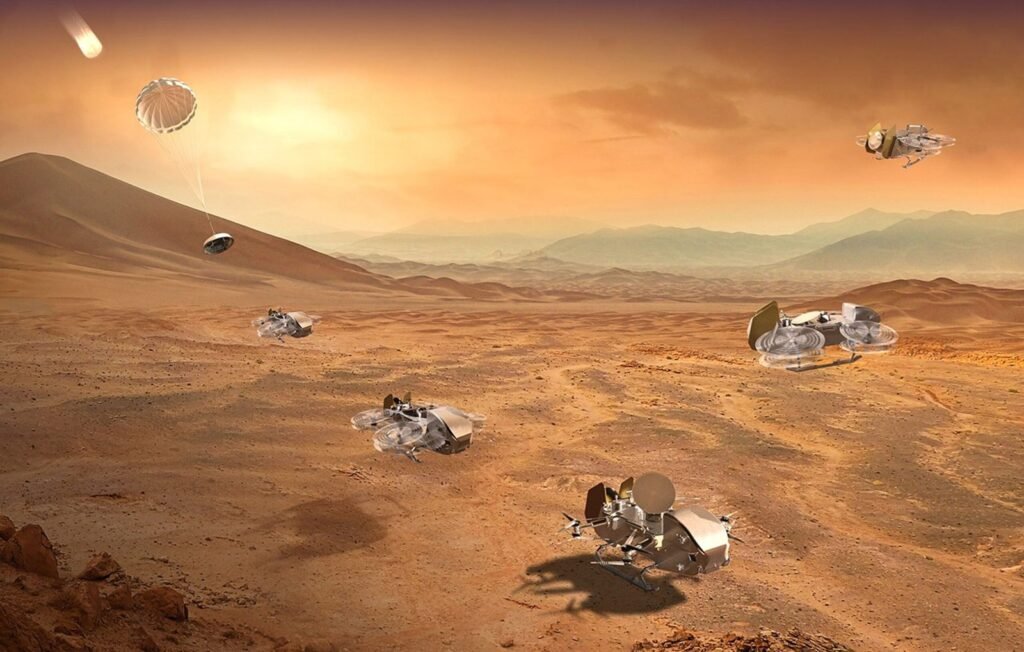
Dragonfly on Titan: A New Era in Planetary Science
Dragonfly aims to redefine how we study Titan with aerial and ground data in a single mission.
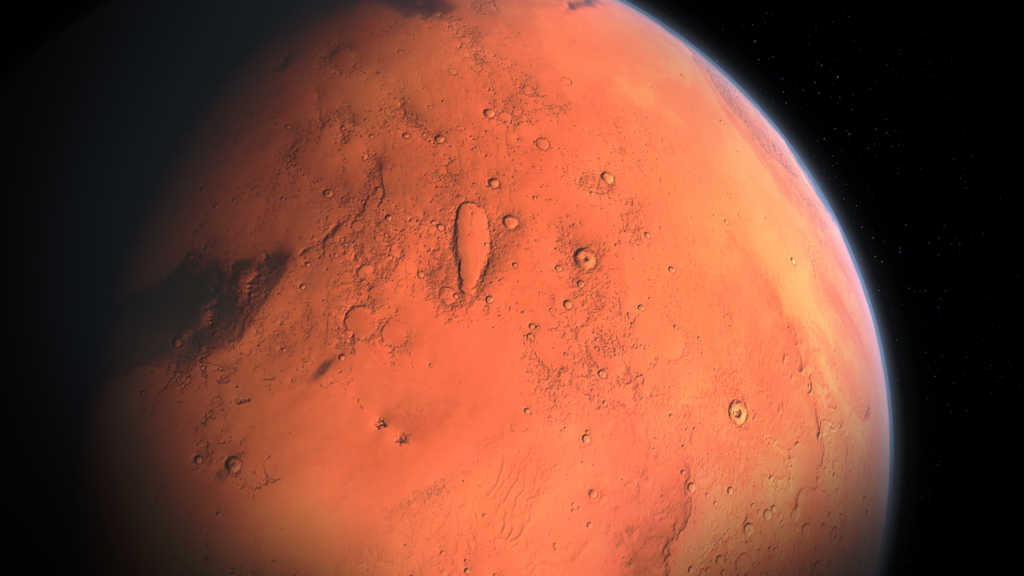
Mars terraforming: why it’s fantasy
Mars terraforming isn’t the sci‑fi miracle it’s often made out to be.
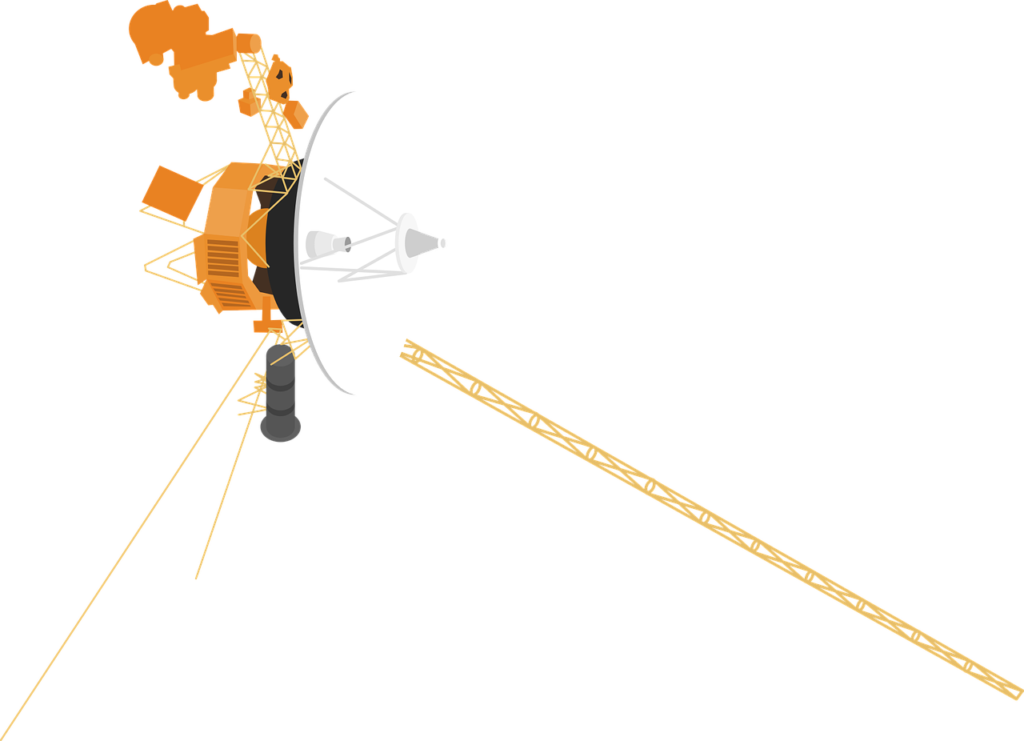
Big Bang power move saves Voyager 2
May tests loom as NASA pursues The Big Bang to extend Voyager life after a Voyager 1 power glitch, turning a setback into a potential leap for long-range space
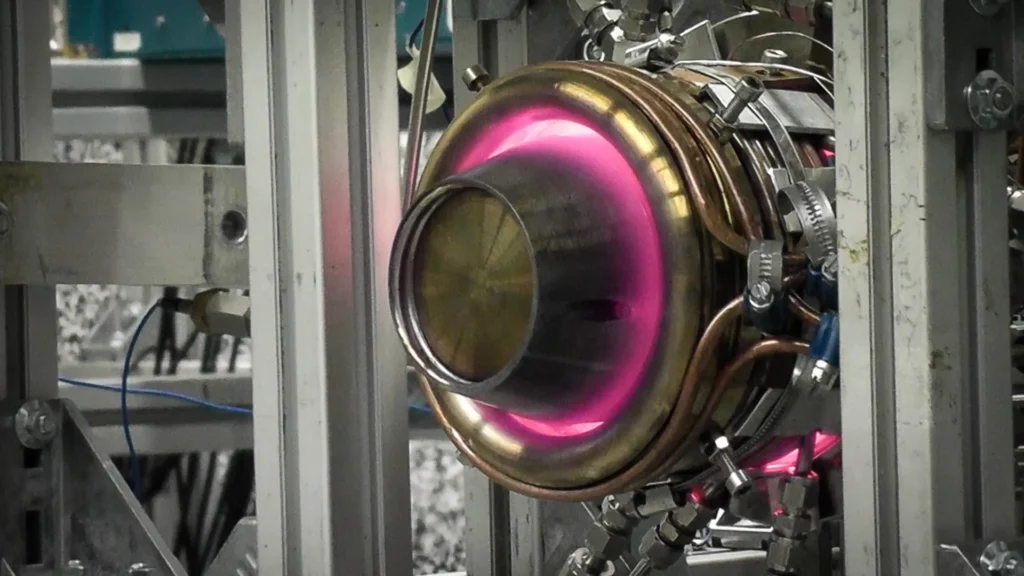
New burner edges ahead of NASA, promises big gains
A new pressure-gain burner outperforms NASA’s previous work, hinting at quicker, more efficient propulsion advances.
Recent Posts
- WeCanReason Webinar – Getting Real with Death with Janet Arnold

- Meta, Misinformation and Children’s Health: The Risks of Online Parenting Advice
- When Parents Refuse Vitamin K, Babies Face Bleeding Risks
- Did Scientists Get M87’s Black Hole Right?
- WeCanReason Speakers’ Weekly Update
- The Science Behind the Definition of Sex
- See what leaders in science, secularism, critical thinking, and skepticism did last week
- Flash a Signal for Voyager 1’s Light-Day






Social Media Auto Publish Powered By : XYZScripts.com