
The Truth About “Natural” ADHD Treatment Alternatives
Influencers are promoting "natural" alternatives to ADHD medication, but experts say the evidence doesn't support replacing proven treatments. Here's why patients should be cautious before following health advice from social media. #ADHD
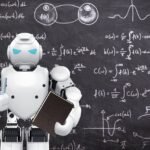
AI and pseudoscience guide
A practical look at why science communicators should learn AI basics, and how to discuss AI without hype or fear.

WeCanReason Speakers’ Weekly Update
Catch up with what our speakers did last week#SethAndrews #psychicsofinstagram #psychics
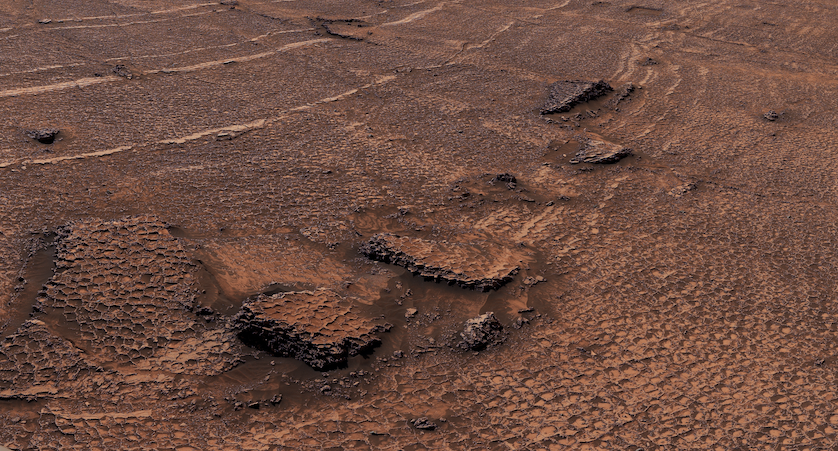
Mars honeycomb hints at ancient water
Curiosity unveils a large honeycomb texture field on Mars during a climb, adding to clues about the planet’s watery past and showing the mission’s ongoing resilience.

See what leaders in science, secularism, critical thinking, and skepticism did last week
Here's a little of what secularists, skeptics, atheists, and scientists did last week
#humanist
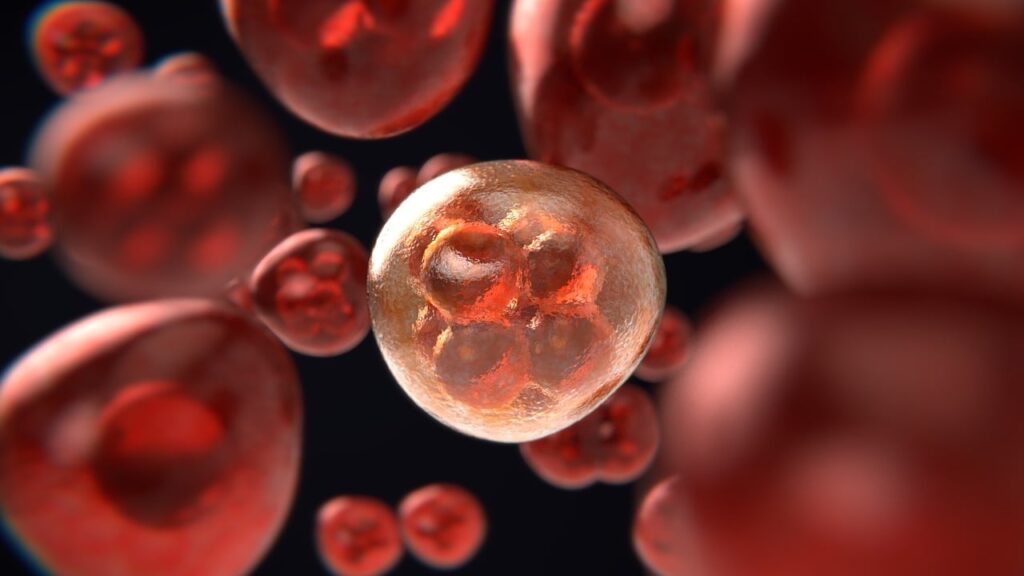
Scientists Create a Programmable Cancer Kill Switch
A newly discovered CRISPR enzyme destroys cancer cells by targeting their RNA and shredding their DNA. The breakthrough could pave the way for more precise cancer treatments with fewer side effects than conventional chemotherapy. #cancer
Make Reasoned Judgments, Not Snap Reactions
Find why quick, emotional claims feel true and learn practical steps to practice deliberate thinking and evidence-based judgment.

August 2026 Newsletter
Critical thinking doesn't take a vacation. This summer, enjoy the sunshine, ask good questions, and keep exploring the world with curiosity and evidence. Dive into this month's newsletter to see everything we've prepared for you. We hope you'll find something that sparks your curiosity!
The Rise of AI-Generated Explicit Content
AI-generated explicit content is becoming a growing issue for teenagers. A new report explores how it affects privacy, consent, body image, and why parents, schools, and technology companies all have a role to play.
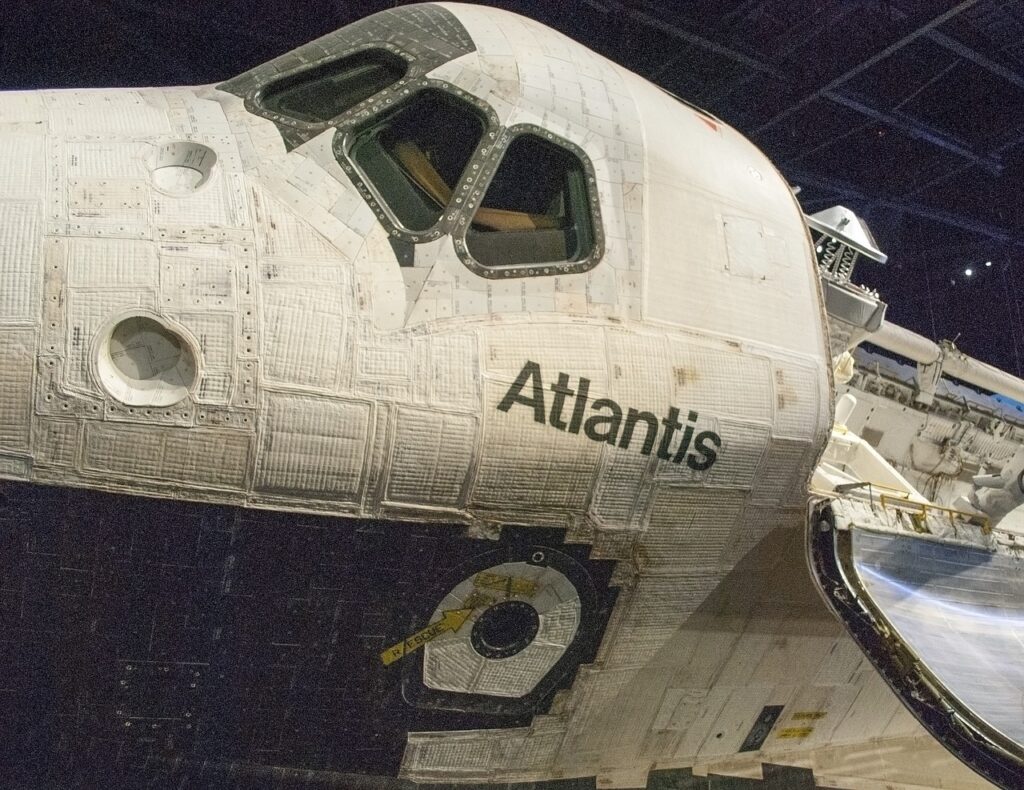
Atlantis’ Last Flight: End of an Era
The 2011 Atlantis finale closed a chapter, reshaping how the USA returns to space and what comes next.
Recent Posts
- Human in the loop: why it matters

- AI agents that explain and reuse research
- WeCanReason Webinar – Making America Hurt Again? The dark rise of medical disinformation video released
- Science as a Human Enterprise
- Does Gaming Help or Hurt? Find Out
- What Happens When Science Tests Out-of-Body Experiences?
- WeCanReason Speakers’ Weekly Update
- Humanism in Canada: Challenges, Stories and Community




Social Media Auto Publish Powered By : XYZScripts.com